
13 Holiday Email Campaigns That Hit Different (And Why They Worked)
We're going to break down 13 holiday campaigns based on how well they made people feel. Big companies with huge budgets and small businesses showing that you don't need a lot of money to make something people remember.

Your inbox in November looks like someone threw up tinsel and discount codes. Every single brand screaming "50% OFF!" in the same tired red and green templates. "LIMITED TIME!" offers that somehow last until February.
But then you get that one message. The one that makes you stop scrolling. It might have made you laugh, reminded you of something from your childhood, or just felt...real.
Here's the thing: people are paying attention to holiday emails. In 2024, open rates rose to 26.6%, with November reaching 44.8% and December reaching 41.23%. They are reading. The question is whether what you're giving them is worth their time. The question is whether you're giving them something worth their time.
The difference between emails that get deleted and ones that drive sales isn't your budget or fancy design software. It's about knowing what kind of feeling you want to create and then making everything else fit around that.
We're going to break down 13 holiday campaigns based on how well they made people feel. Big companies with huge budgets and small businesses showing that you don't need a lot of money to make something people remember.
Why Emotion Beats Everything Else
Before we dig into examples, let's talk about why emotional connection matters more than ever.
We're sending 361.6 billion emails daily. During the holidays, that number explodes. You can't win by being louder. You win by being different.
Shoppers are being intentional now. About 60% plan to spend over $250, but 87% are actively looking for deals and value. They're not impulse buying like they used to. They want brands that get them.
The generic "Merry Christmas, 25% off everything" approach? Everyone's doing it. It's boring. The campaigns that work make people feel something specific: understood, excited, appreciated, or nostalgic.
And email still drives serious revenue. For every dollar spent on email marketing, you get back $36 to $40. During holidays when people are already thinking about buying, good campaigns multiply those returns.
The brands crushing it aren't just selling stuff. They're creating experiences and making customers feel like they're part of something.
The Campaigns
NOSTALGIA: Taking People Back
1. Coca-Cola's "Create Real Magic" AI Holiday Cards
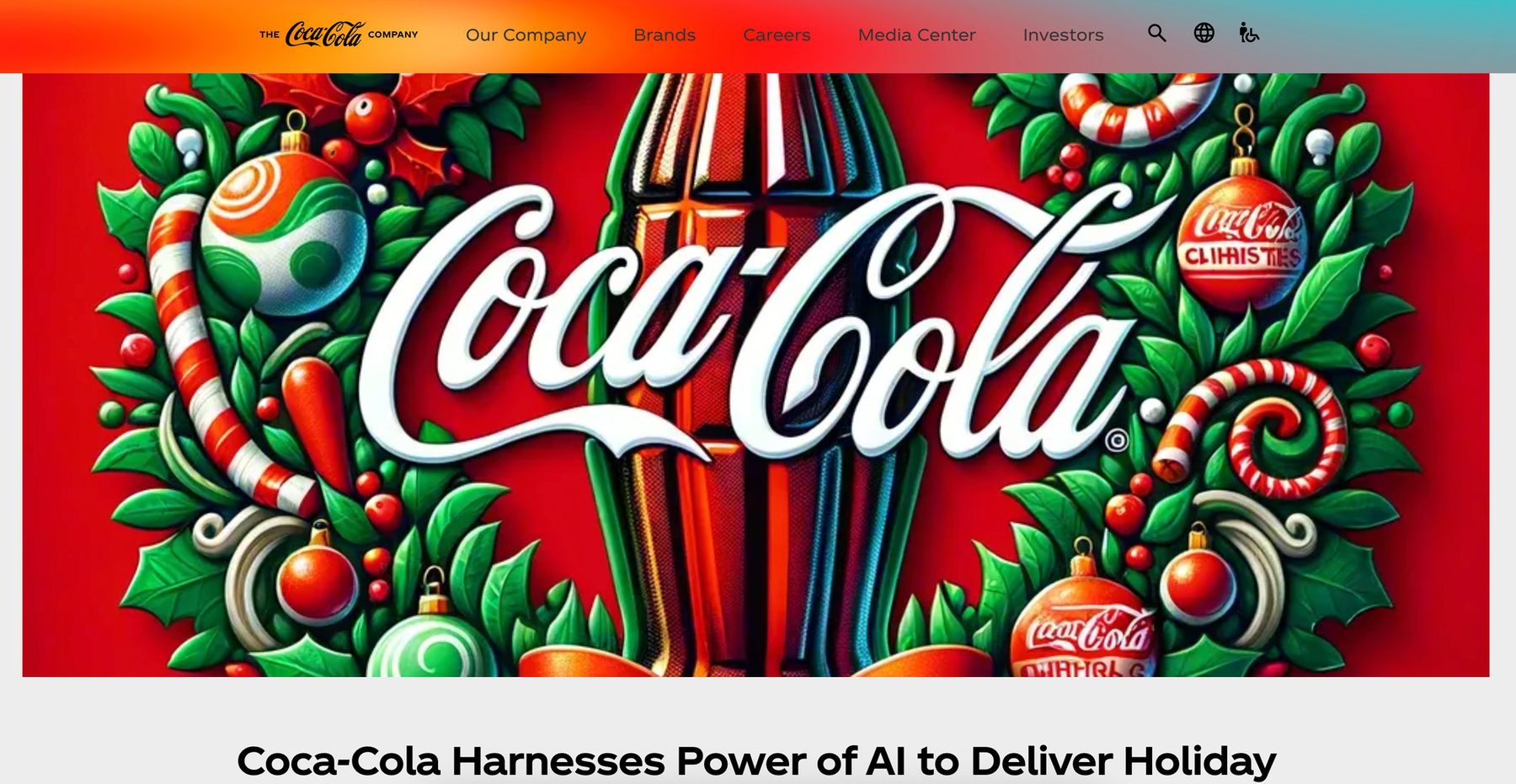
Coca-Cola built a website where you could generate custom digital greeting cards using their iconic imagery and characters. No purchase required. Just create and share.
The emails invited people to make personalized cards, reminded them to share what they made, and featured other people's creations. They weren't selling Coke. They were reviving the dying tradition of sending holiday cards.
Why it worked: Holiday cards are nostalgic. By involving customers as co-creators rather than just buyers, they became more invested. And Coca-Cola's imagery already carries emotional weight from decades of holiday ads.
The email tactics were smart. Subject lines focused on creating, not buying. Clear call to action to the website. Follow-ups showing what other people made, which added social proof.
Your version: You don't need AI tools. A local bakery could ask customers to email their family's holiday cookie recipes for a community cookbook. A coffee shop could invite people to share their morning routine. Find the nostalgic tradition your audience cares about and invite them into it.
2. Spotify Wrapped
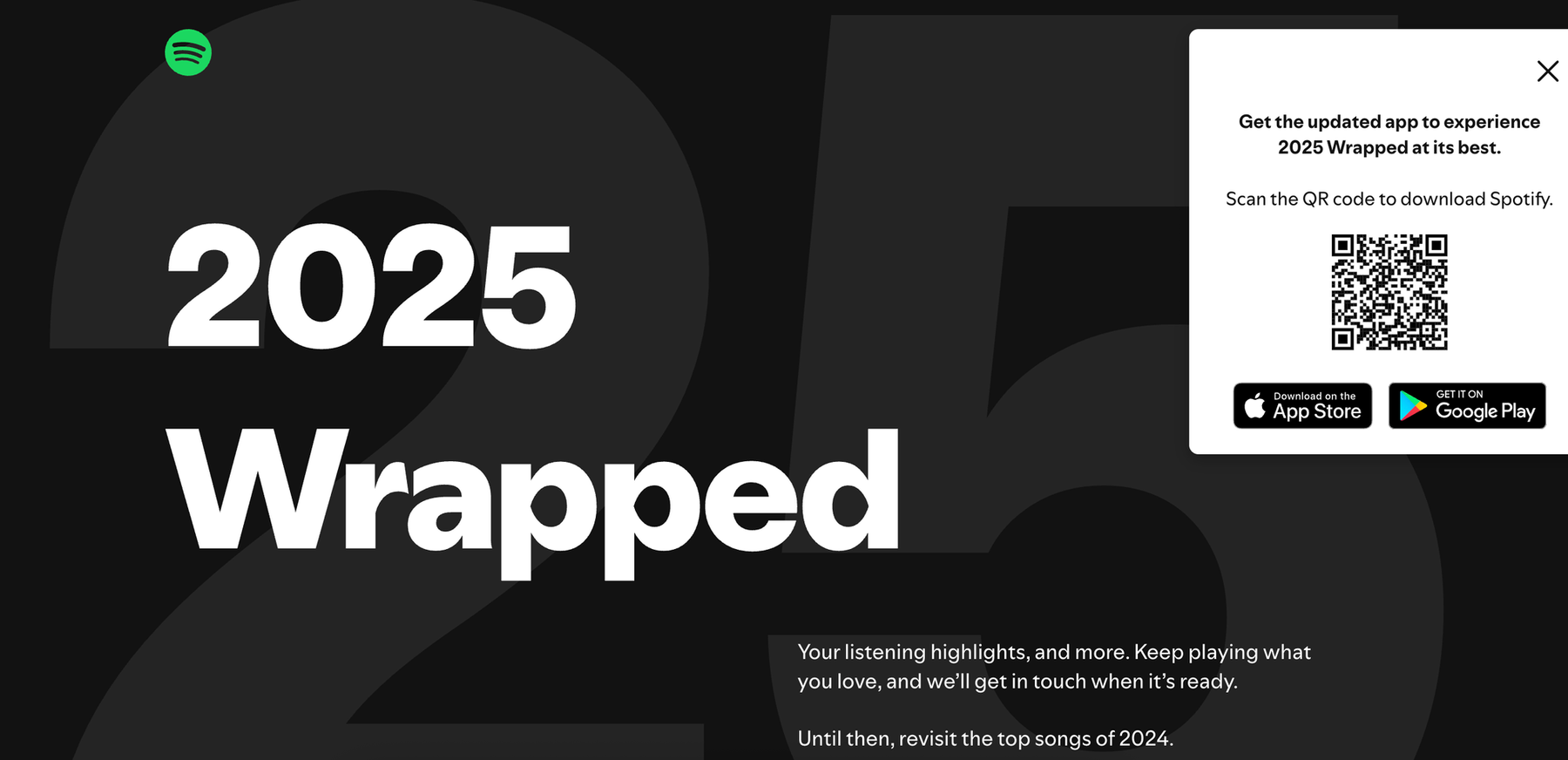
Spotify's annual Wrapped gives you a personalized year-in-review of your listening habits. It's designed to be shared on social media, and people actually get excited about it.
The email is simple: "Your 2024 Wrapped is here." That's it. It leads to the app-based experience.
Why it resonates: Pure nostalgia through your own music history. You're the hero of your own story. Sharing it becomes part of your holiday identity online. Year-end reflection taps into that seasonal mood where everyone's looking back.
The email brilliance: The subject line creates FOMO. Every email is unique to that person. It's mobile-first because that's where people check it. One clear action, no decision paralysis.
Small business version: A yoga studio could send "Your 2024 Practice Wrapped" showing classes attended, favorite instructors, progress milestones. A bookstore could show "Your 2024 Reading Journey" with books purchased and recommendations. You already have this customer data.
3. Casper's Off-Season Holiday Emails
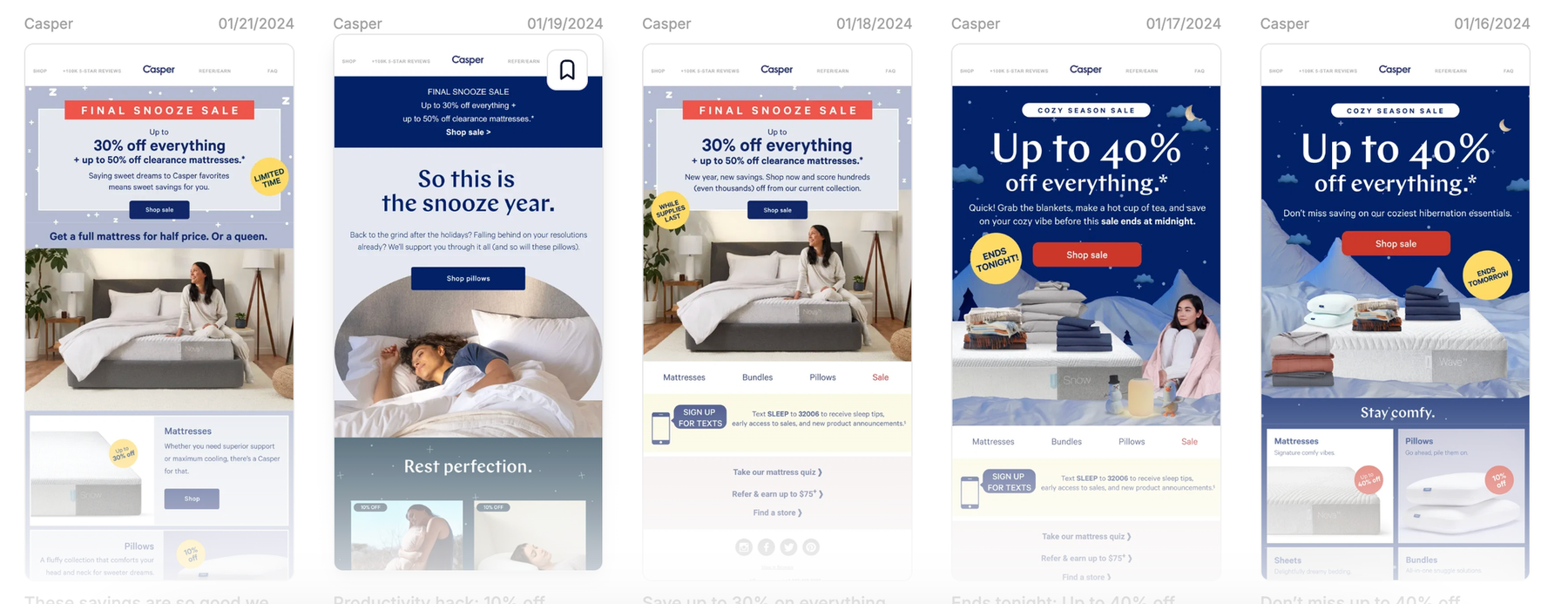
Casper didn't compete in the Christmas chaos. They sent creative emails tied to lesser-known holidays like Daylight Saving Time. "That extra hour, though" and "Start hibernating" with messaging about their mattresses.
Why it worked: Less competition means more attention. Everyone relates to seasonal transitions. The wordplay felt fresh. The 10% discount wasn't special, but the packaging was memorable.
The win: Short, punchy copy. They avoided the December crush entirely. Holiday theme without holiday clichés. Product integration felt natural.
Your move: Find holidays that align with your brand but aren't oversaturated. Pet store? National Pet Day. Coffee roaster? First day of fall. You get the idea.
JOY: Making People Smile
4. Burger King's "BK Advent Calendar"
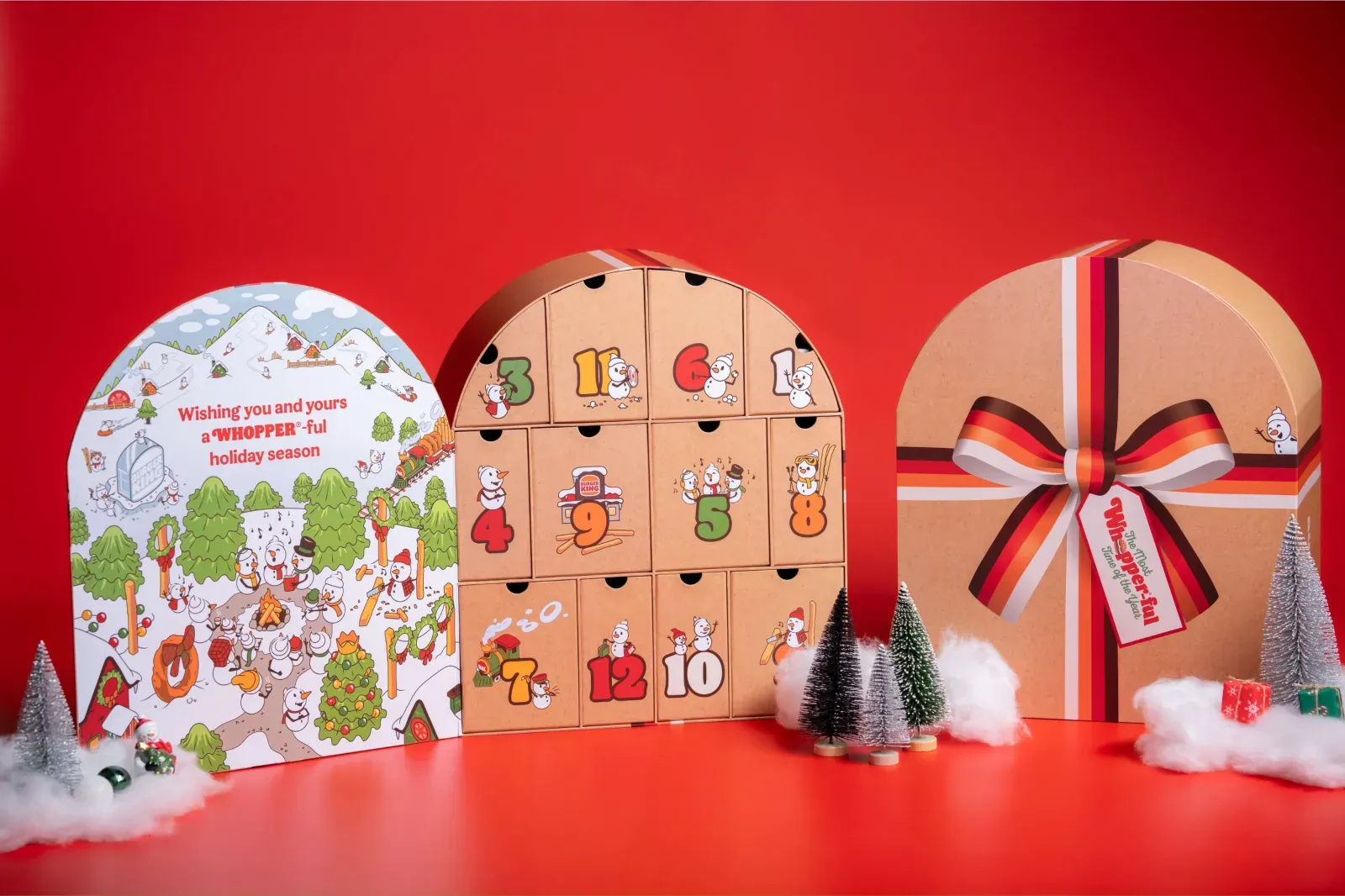
Burger King did "31 Days of Deals" with an advent calendar holding 12 curated gift surprises through their app. Text ADVENT to enter, then daily surprises all December.
Why it created joy: Advent calendars trigger childhood excitement. Daily surprises give you dopamine hits. Nostalgic menu items (Chicken Fries, Whopper) as "gifts" made fast food feel like an experience.
Email tactics: SMS integration for younger customers. Scarcity messaging about limited calendars. Daily reminders to check the app. User content as people shared their surprises.
Scale it down: A local coffee shop could do "12 Days of Coffee" with daily email reveals of different drink specials. A boutique could reveal mystery discount codes daily. Costs almost nothing. Engagement is high.
5. Shutterfly's "Make Something That Means Something"
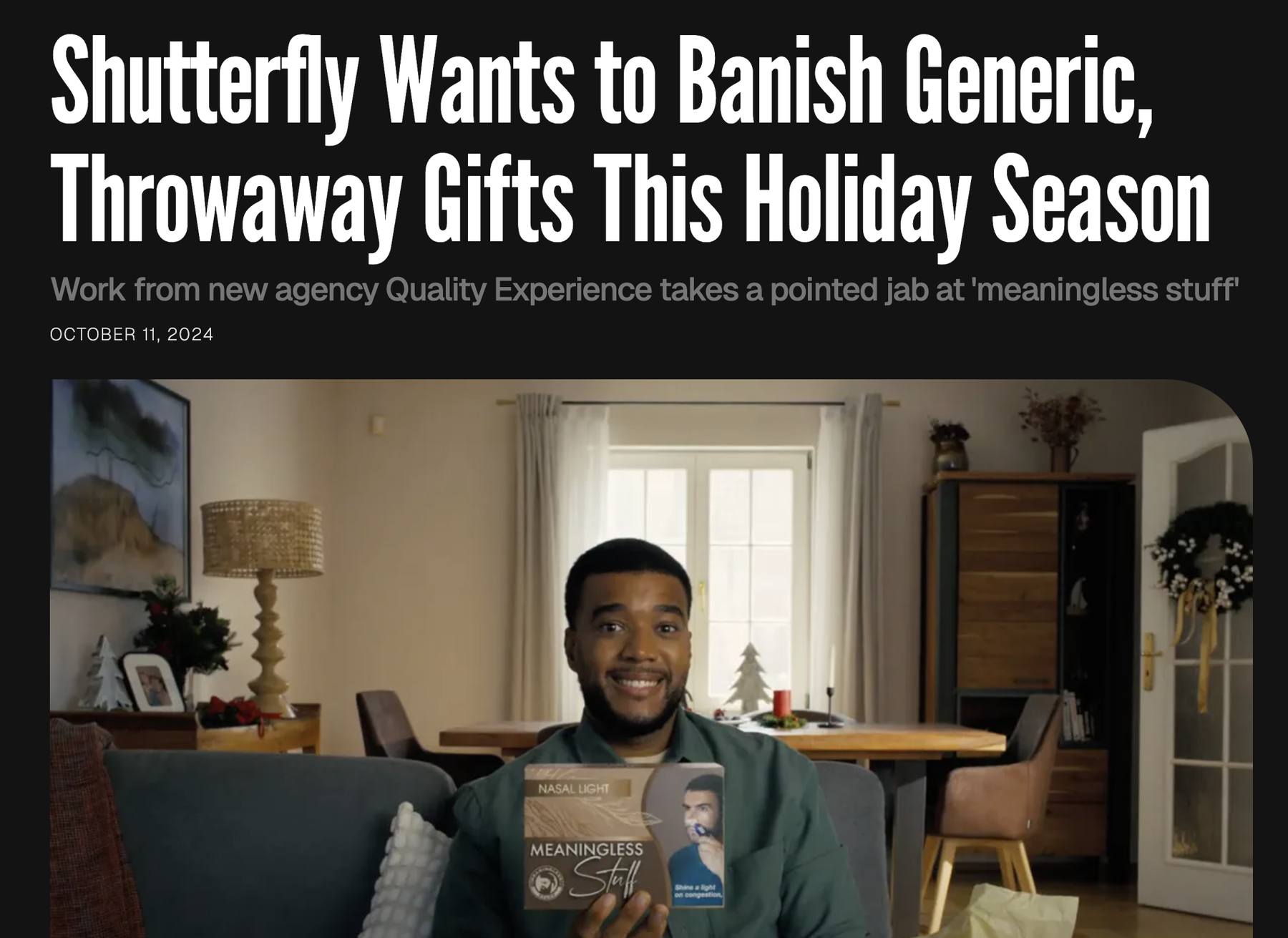
Shutterfly emphasized personalized gifts over generic junk. They created a parody store selling intentionally terrible "meaningless" items to highlight the contrast.
The emails poked fun at universally bad gifts like novelty ties and dust-gathering tchotchkes, then positioned Shutterfly's customizable stuff as the solution.
Why it worked: Humor about terrible gifts everyone can relate to. Made people laugh before asking for a sale. Positioned them as solving real gift stress. Creativity stood out from serious competitors.
Email tactics: Subject lines with actual humor. GIFs of bad gifts. Clear contrast between bad gift and meaningful alternative.
Your version: Use humor to acknowledge customer pain points. A jewelry brand could joke about gift cards being "the white flag of gift-giving" before positioning jewelry as the thoughtful choice.
6. Urban Outfitters' "Happy LOLidays"

Urban Outfitters launched "Happy LOLidays" to relieve seasonal stress with fun. Featured a "UO Carol" tune by a TikTok creator and curated budget-friendly picks under $25.
Why it brought joy: Acknowledged that holidays are stressful (relatable). Tongue-in-cheek approach to gift-giving. Price point addressed budget concerns without being preachy. TikTok integration met their audience where they already are.
Your version: Drop the corporate tone. If your audience is younger, talk like them. Acknowledge that holidays can be stressful and expensive, then position yourself as the solution that doesn't take itself seriously.
GRATITUDE: Showing Appreciation
7. Tesco's "#TescoNoNaughtyList"
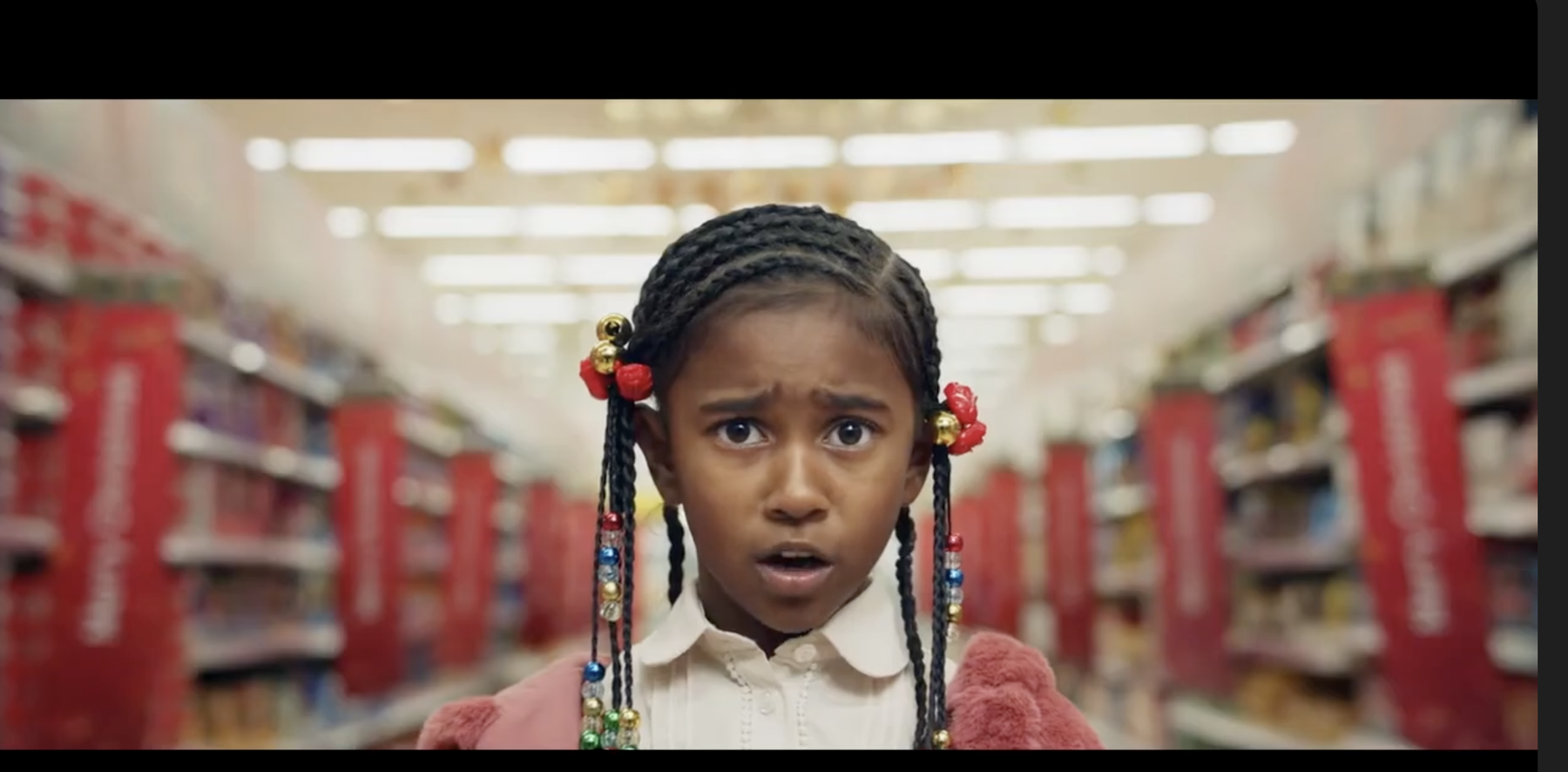
Tesco acknowledged struggles people faced throughout the year. Panic-buying toilet paper, questionable haircuts, too many treats—"There's no naughty list this Christmas."
The email strategy: Empathetic messaging that made customers feel seen despite an imperfect year. Tone of forgiveness and togetherness.
Why it resonated: Acknowledged collective struggle. Made customers feel understood, not judged. Mixed humor with empathy. Positioned Tesco as a compassionate brand, not just a store.
Impact: Boosted customer sentiment by showing Tesco saw them as humans, not just shoppers.
Your application: Small businesses have an advantage here because you actually know your customers' struggles. A gym could send "No judgment, just support" acknowledging missed workouts. A bookstore could reference pandemic reading habits. Show you see customers as humans first.
8. REI's #OptOutside
REI closed stores on Black Friday and encouraged customers to go outside instead. The emails sent trail recommendations and outdoor inspiration - the complete opposite of typical Black Friday emails.
Why gratitude resonated: Valued customers' time over immediate revenue. Aligned with brand values. "We'd rather you be happy than shop" is powerful messaging.
Long-term payoff: Massive loyalty. Customers remember the brand that told them not to shop.
Your version: What would show customers you value them beyond transactions? A yoga studio could close on the busiest shopping day and send a "take the day for yourself" email. Shows values over profit.
URGENCY: Creating Momentum Without Being Pushy
9. Target's "12 Days of Deals"
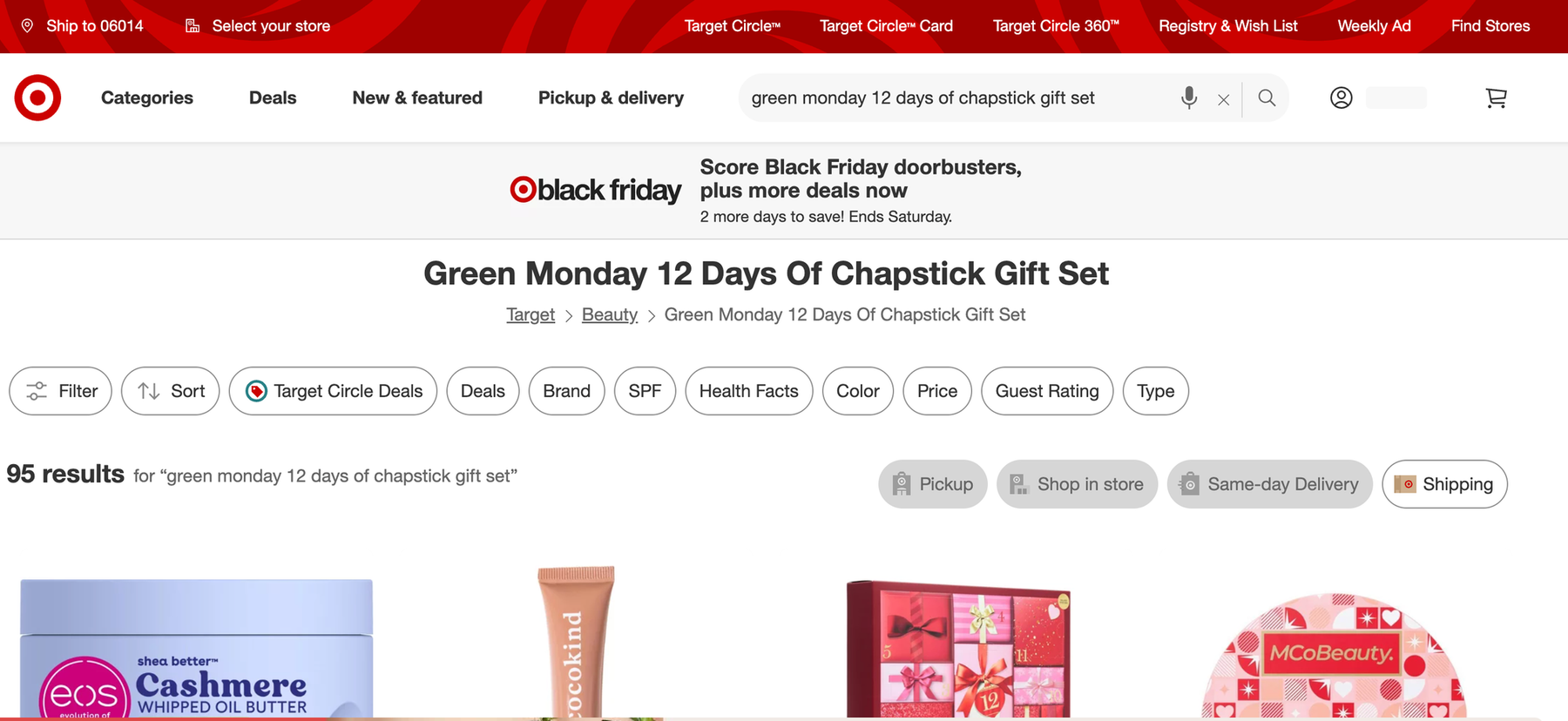
Target's annual 12 Days campaign featured different daily deals, amplified through family-focused influencers sharing shopping experiences and recommendations.
Why urgency worked: Daily deals gave people a reason to check email daily. Countdown timers created natural scarcity. Influencer trust made urgency feel helpful, not manipulative.
Email mechanics: Consistent send time to build habit. Clear expiration messaging. Mobile-optimized because people shop on phones. Social proof from influencers.
Scale it down: "12 Days of Main Street" where local businesses collaborate, each featuring another in daily emails. Shared audience, zero cost, creates community urgency.
10. Alo Yoga's Limited-Edition Advent Calendar
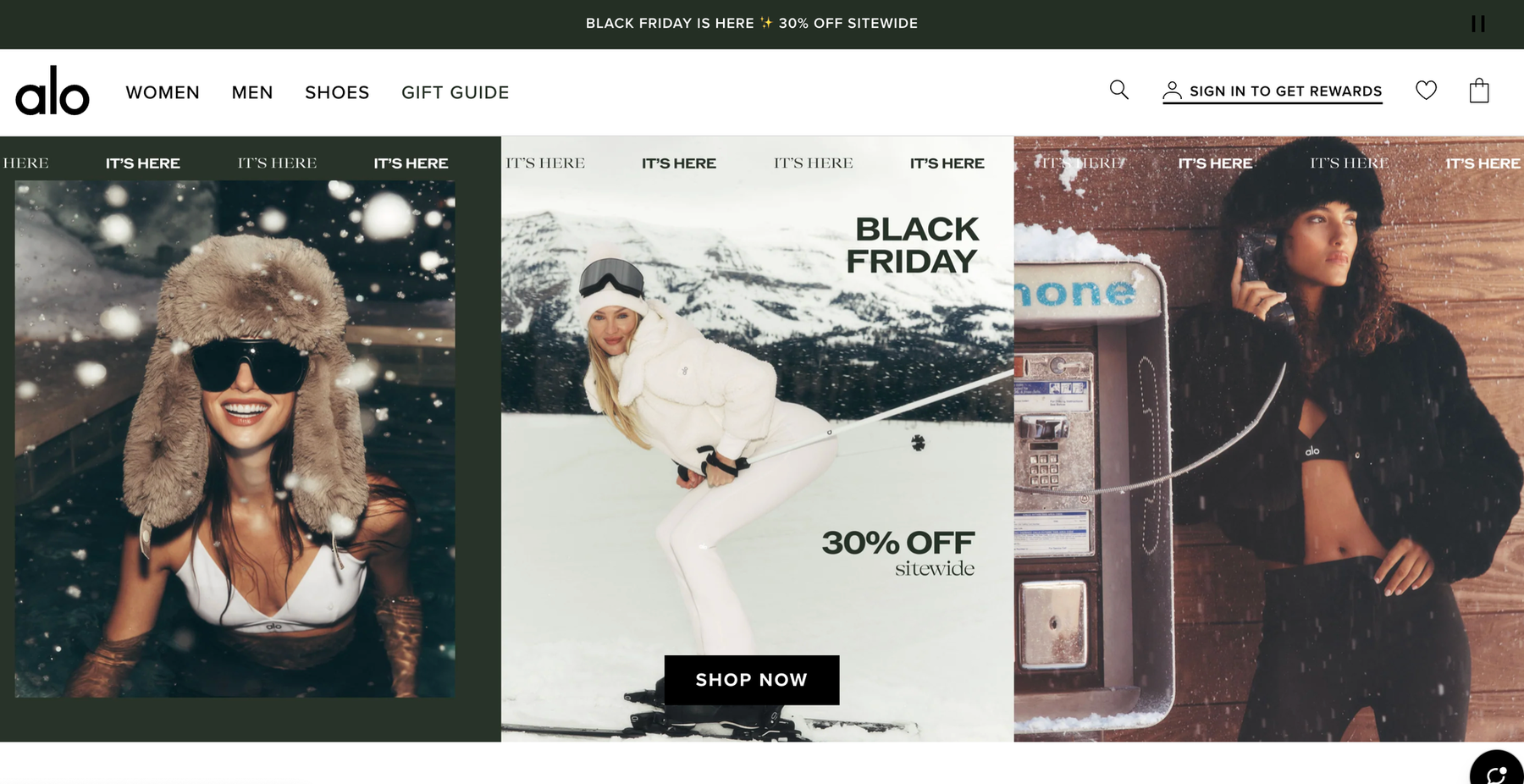
Alo Yoga released a limited-edition advent calendar with exclusive workout accessories, clothing, and skincare. Promoted through fitness influencers.
Email execution: Teaser campaign, launch day with countdown, sold-out notifications creating FOMO.
Why urgency felt premium: Limited quantity meant real scarcity. Exclusive items not available elsewhere. Social proof from influencers. Elevated experience, not just a discount.
Results: Millions of views, significant engagement increase, calendar sold out fast.
Your takeaway: Limited-edition holiday products create legitimate urgency. A local artisan could make "only 50" of a special holiday item. Real scarcity, not manufactured pressure.
CONNECTION: Building Community
11. Starbucks "Red Cup Season"
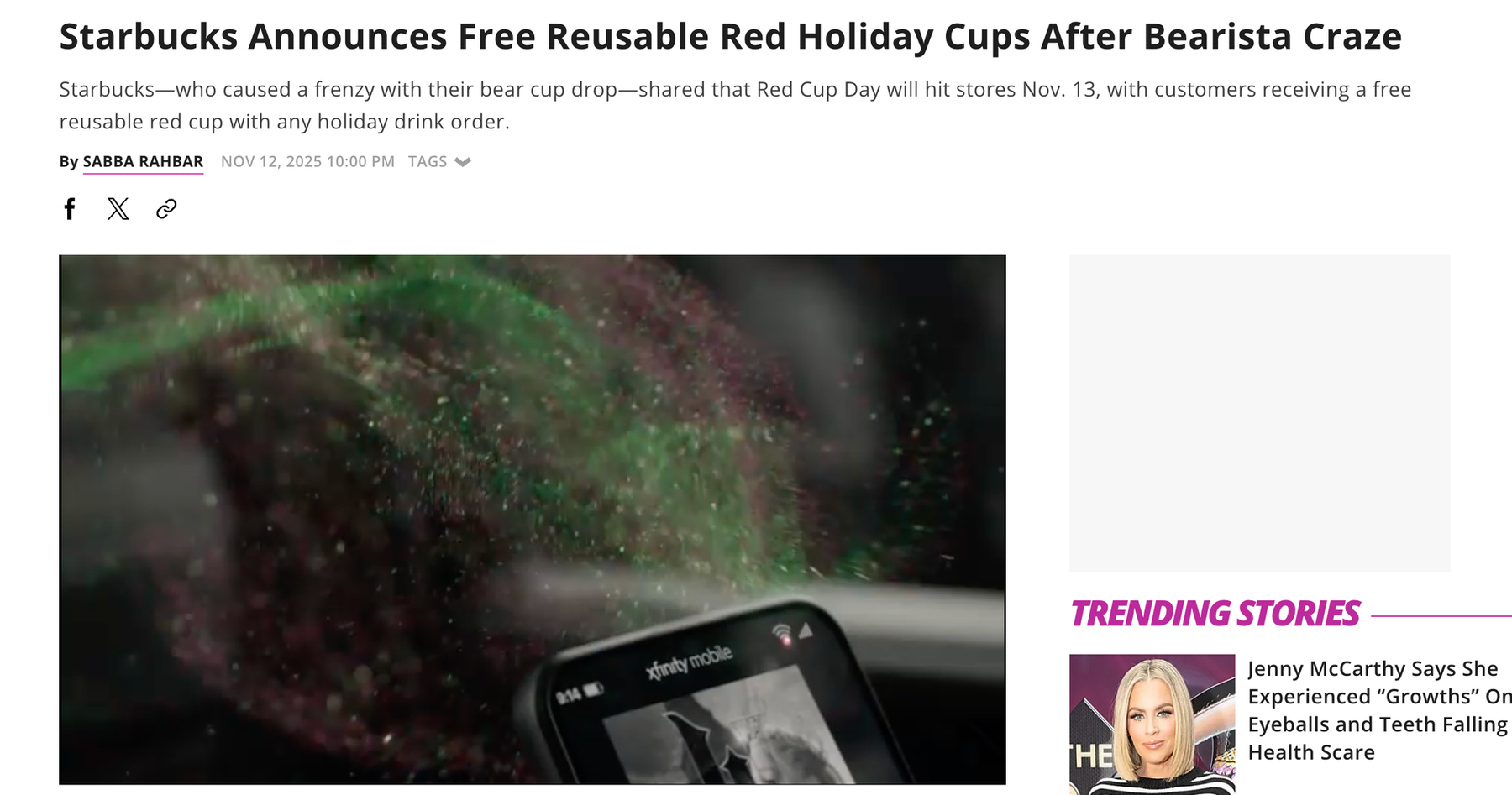
Starbucks' 2024 Holiday Cups emphasized "Warmth and Togetherness," inviting customers to share photos with holiday cups using #RedCupSeason, with digital rewards for sharing.
Email component: Invitations to participate, rewards for sharing, featuring customer photos in follow-up campaigns.
Why connection mattered: Made customers part of the brand story. Holiday cups are a cultural moment Starbucks created. Community through shared experience. Rewards made participation tangible.
Impact: Thousands of posts from customers, strong sense of community and brand loyalty.
Your version: Encourage customers to share how they use your product during holidays. Feature submissions in weekly emails. Coffee shop: "Show us your morning ritual." Bookstore: "What are you reading by the tree?" Costs nothing. Connection is priceless.
12. Small Business Saturday Email from Local Tea Brand
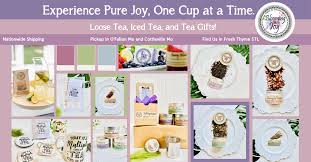
Blooming with Joy, a family-owned tea brand, used Small Business Saturday to showcase their story with a simple "$10 off orders" email campaign.
The email: Simple design with a clear offer, the family-owned story front and center, discount ending Cyber Monday.
Why connection trumped big budgets: Personal story beats corporate polish. Small Business Saturday is a built-in community moment. Simple message, clear value. Authenticity over production value.
The lesson: You're a small business. That's your advantage, not your limitation. Tell your story. Be specific about who you are. Corporate brands can't compete with authentic connection.
13. Macy's "Believe" Campaign
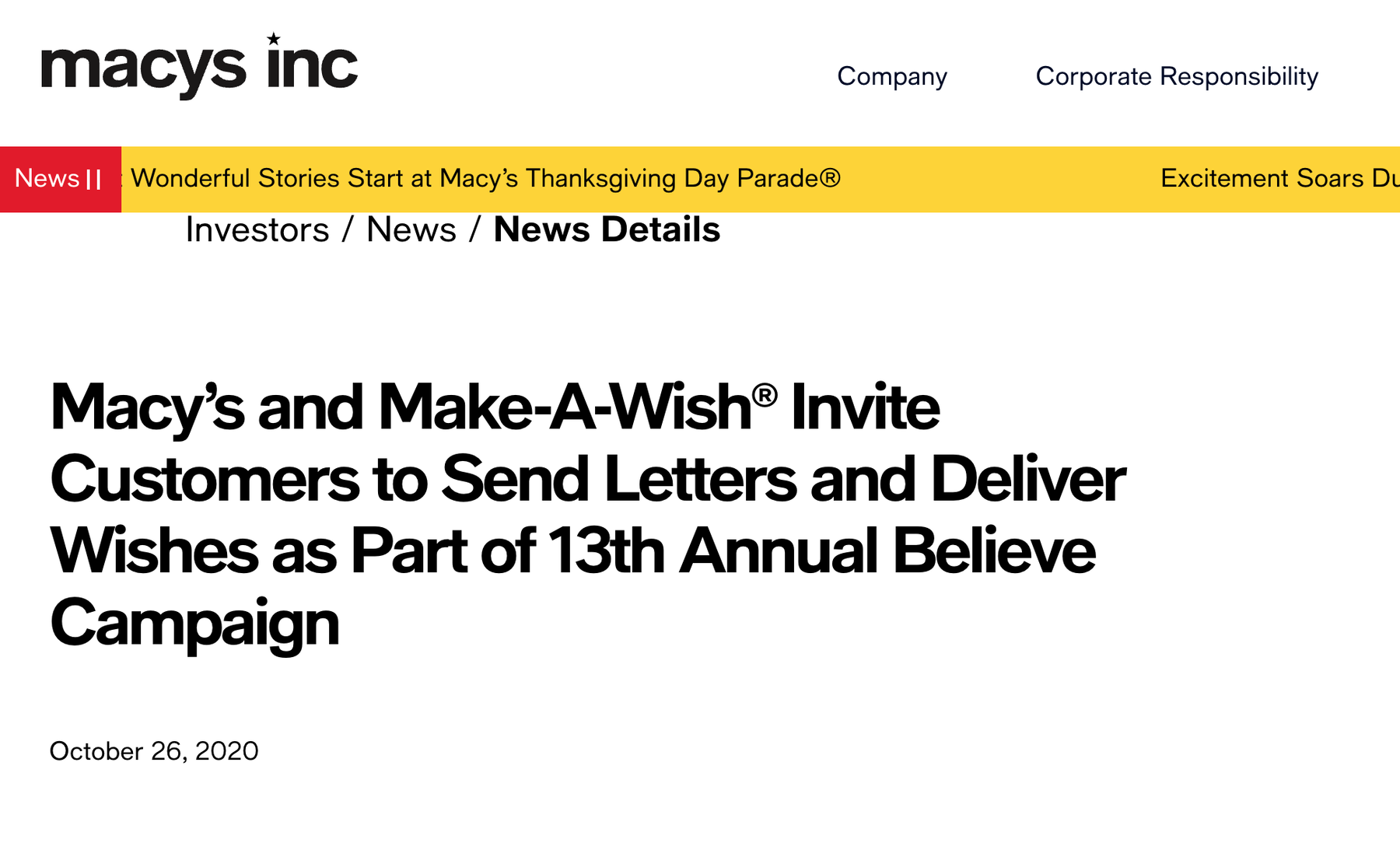
Macy's tied holiday marketing to charitable giving through partnership with Make-A-Wish, using #MacysBelieve to spark user content.
Email execution: Emails explained how customer participation contributed to charity. Impact updates showing donation results.
Why gratitude worked: Customers felt good about shopping there. Positioned purchases as participation in something bigger. Made customers partners in doing good.
Small business move: Partner with a local charity. "10% of December proceeds go to local food bank." Email customers showing running total. Feature thank you from charity. Creates community, not just transactions.
What All These Campaigns Understood
After looking at campaigns from massive brands and small businesses, here's what separates memorable from forgettable:
They picked ONE emotion and committed. Coca-Cola chose nostalgia. Tesco chose gratitude. Target chose urgency. Mixed messages confuse. Clear emotional intent converts.
Email was the hub. Even multi-channel campaigns used email as the central tool. Social amplified, but email drove action. Email is your owned channel. Algorithm-proof, a direct line to the customer, and just as effective for nurturing subscribers as it is for cold email lead generation when relevance and timing are done right.
Mobile-first wasn't optional. Mobile purchases make up 40% of ecommerce sales. Most people open emails on phones. If your template doesn't look good on mobile, start over.
Personality beat perfection. Urban Outfitters' "LOLidays," Tesco's empathy, Shutterfly's humor - imperfect humanity resonated more than polished corporate speak.
Timing was strategic. REI went against Black Friday. Casper avoided December crush. Others started early to beat saturation. None showed up December 20th hoping for miracles.
Clear CTAs, not multiple asks. Each email had one job: create card, check calendar, share photo, shop deal. Decision fatigue kills conversion.
They gave before asking. Content, humor, community, tools, experiences—value first, transaction second.
How to Apply This to Your Holiday Emails
Start with the emotion, not the discount. Write this down: "I want my customers to feel __________ when they open my holiday emails." Then build backwards from that emotion.
Segment ruthlessly. New customers need different messages than loyal ones. High-spenders need different offers than price-sensitive shoppers. Even basic segmentation crushes generic blasts.
Build a sequence, not just one email. Successful holiday email is a journey: teaser, early access, reminder, last chance, thank you, and post-holiday. People are receptive to more emails during holidays if they're good.
Write subject lines for humans. The campaigns that broke through had subject lines that created curiosity, made people smile, or were specific. Test questions, intrigue, urgency, nostalgia, direct value.
Design for scanning, not reading. Single clear message above fold. One visual that communicates fast. Bullet points over paragraphs. White space everywhere. One obvious CTA button.
Give them something to do. The best campaigns invited participation. Create something, share something, claim something daily, tell a story. Passive "just buy" emails get ignored.
Technical execution matters. All the emotional resonance in the world doesn't matter if emails hit spam. During the high-volume holiday season, warm up your sending, monitor deliverability, test before sending, and check all links work.
Start earlier than feels comfortable. About 30% of shoppers begin holiday shopping in October, and 56% plan to finish before December. Timeline: October for planning, early November for early access, mid-November to ramp up frequency, December to maintain momentum, and January for thank you.
The Truth About Holiday Email Marketing
You're not competing with Amazon's budget or Coca-Cola's brand recognition. You're competing for attention in an inbox where everyone's shouting.
The campaigns that broke through understood something fundamental: people don't want more holiday emails. They want better ones.
Better means making them feel something specific, respecting their time, offering genuine value before asking for the sale, being authentically human, and following through on promises.
Your advantage as a smaller business? You can out-authentic, out-personal, and out-human the big guys. Every time.
Holiday spending hit $902 per person in 2024. That money is being spent. The question is whether your emails will be memorable enough to capture some of it.
Start with emotion. Build with intention. Execute with care.
The brands winning holiday email aren't just selling harder. They're connecting better.
Your move.