
7 Brands That Nailed Valentine's Email Campaigns (And Weren't Selling Flowers)
The best Valentine's Day campaigns work because they know that not everyone celebrates the same way and that the holiday is about more than just romance.
Valentine's Day email campaigns don't have to be about roses and chocolates. (Even though there are times marketing would just like to only have that one.)
Smart brands are coming up with new ways to connect with customers on this huge holiday without having to sell a single bouquet, even though florists are flooding inboxes with the same old promotions.
The best Valentine's Day campaigns work because they know that not everyone celebrates the same way and that the holiday is about more than just romance. These seven brands showed that any business can make a Valentine's Day campaign that works if they have the right idea.
1. Netflix: "Netflix and Chill" Became a Campaign

Netflix turned their cultural catchphrase into a full-blown Valentine's Day campaign that fit their brand perfectly. They didn't just push romantic comedies (though they did that too, but in a more subtle way).
Instead, they sent out emails celebrating "every kind of love," from the love you have for your couch to your obsession with true crime documentaries.
What made it work:
- They acknowledged that Valentine's isn't just for couples
- The tone was playful and self-aware, not sappy
- CTAs led to curated watchlists for different "relationship types" (single, complicated, long-distance)
- They used customer data to personalize recommendations based on viewing history
Your brand already has a voice and inside jokes with your customers. Valentine's is just another excuse to use them.
2. Airbnb: "Love is Going Places"
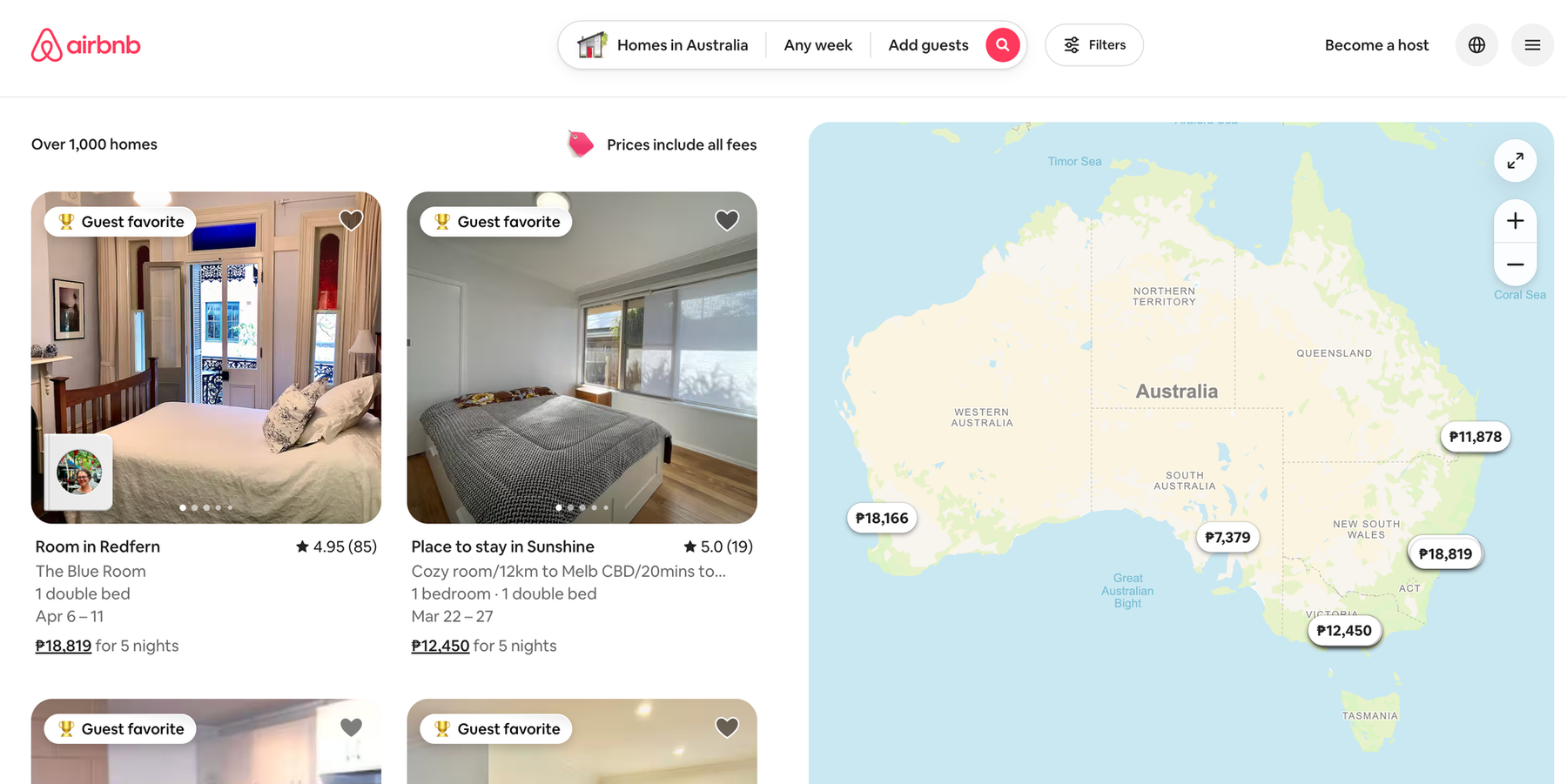
Airbnb's Valentine's Day campaign was all about experiences, not products. Their emails showed off unique places to stay for couples, solo travelers, and groups of friends, like romantic treehouses, cozy cabins, and strange city apartments.
But the smart thing to do? They had a "Send a Trip" feature that let people give Airbnb credits as gifts. The emails made travel seem like the best way to show love, whether you're going on a trip together or helping someone else go on the trip they've always wanted to take.
What made it work:
- Beautiful imagery that sold aspiration, not just accommodation
- Multiple entry points for different audience segments
- The gifting angle opened the campaign beyond just couples
- Limited-time discount codes created urgency without feeling pushy
If you can't directly tie your product to Valentine's, tie it to what people do on Valentine's—spend time together, create memories, or show appreciation.
3. Spotify: "Your 2024 Love Songs"
Spotify used their data advantage to create personalized Valentine's emails that highlighted each user's most-played love songs from the past year. They created shareable "Love Song" playlists and even a "Heartbreak" playlist for the singles or recently uncoupled.
The campaign extended to social media, with users sharing their personalized stats, creating massive organic reach. All from a simple email starting the conversation.
What made it work:
- Personalization that felt genuinely personal, not creepy
- Shareable content that extended campaign reach
- Multiple playlists meant something for everyone
- No hard sell—just value and engagement
If you have customer data, use it to create something personal. People love seeing themselves reflected in your marketing.
4. Grubhub: "Love at First Bite"
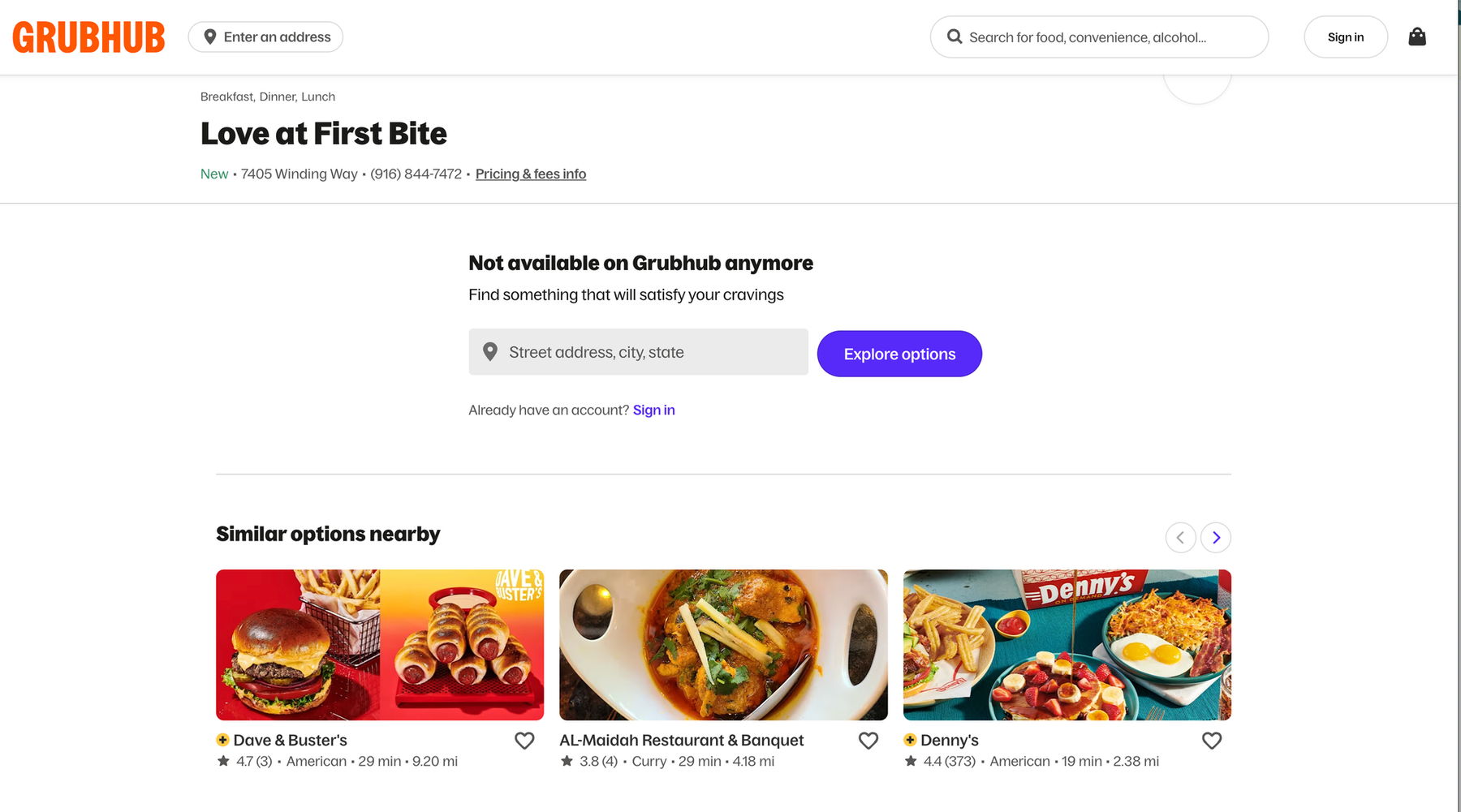
Grubhub's campaign targeted both the romantic dinner crowd and the "treating myself" singles. Their emails featured two distinct paths: "Impress Your Date" (with restaurant recommendations and couples' deals) and "Treat Yourself" (because self-love counts too).
They offered time-based promotions—order between 6 and 8 PM for 20% off—which drove immediate action while matching actual Valentine's dinner behavior.
What made it work:
- Segmented messaging that spoke to different customer mindsets
- Time-limited offers that created genuine urgency
- Restaurant spotlights that helped indecisive customers
- Follow-up emails with "Still Hungry?" late-night offers
Segment your audience by behavior and mindset, not just demographics. Valentine's celebrators and Valentine's avoiders can both be valuable customers.
5. Etsy: "Made With Love, Not Mass-Produced"
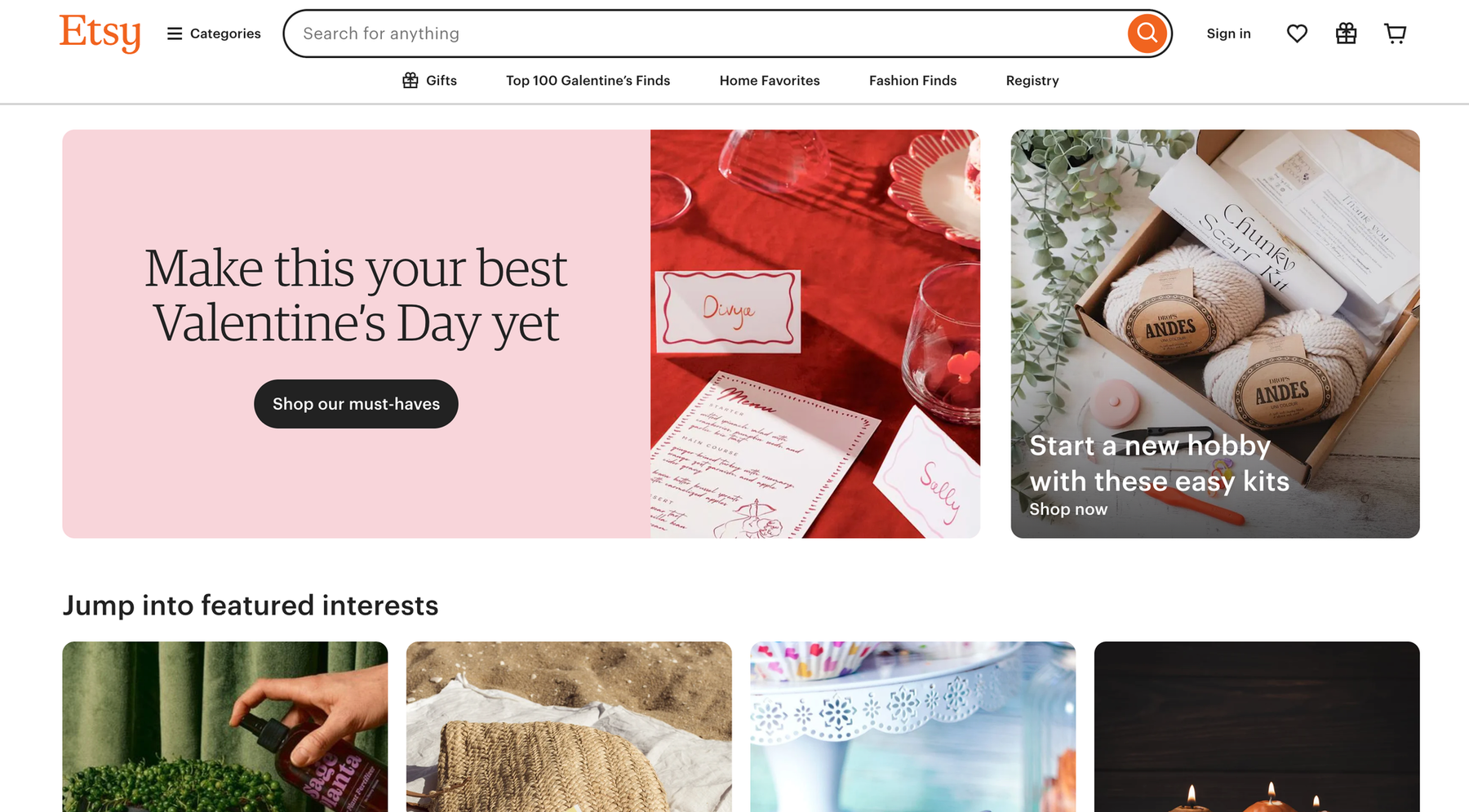
Etsy leaned into their unique positioning as the anti-Amazon for Valentine's gifts. Their email campaign showcased handmade, personalized items with the messaging focused on thoughtfulness over expense.
Subject lines like "Skip the Gas Station Flowers" and "Gifts That Show You Actually Tried" resonated with customers tired of generic Valentine's options.
What made it work:
- Clear differentiation from competitors
- Emotional positioning around thoughtfulness
- Curated collections that simplified decision-making
- Seller spotlights that added authenticity
Find what makes you different and make that the hero of your campaign. Generic Valentine's promotions get lost in the noise.
6. Headspace: "Love Yourself First"
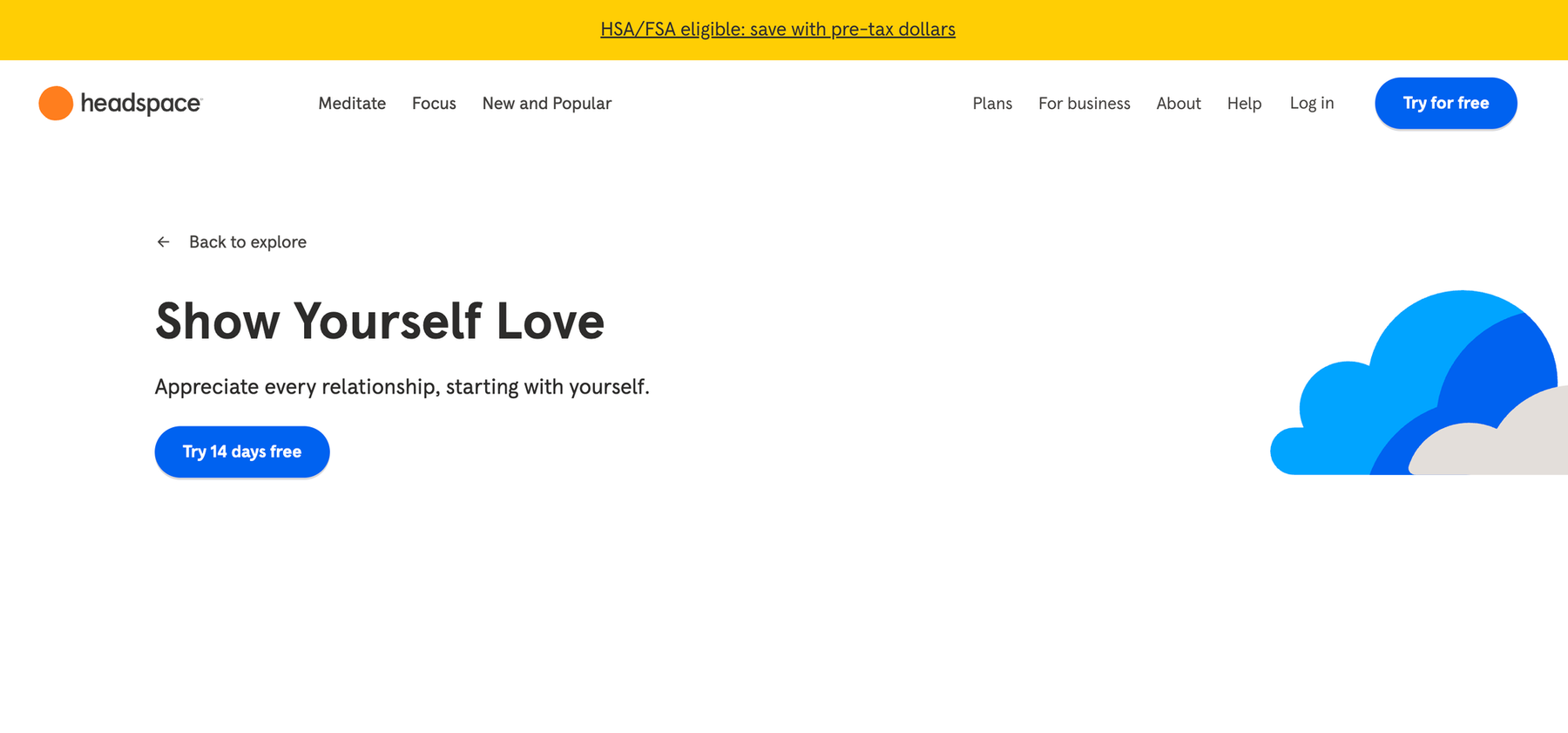
The meditation app completely avoided romantic love and focused their entire campaign on self-love and self-care. Their emails included free meditation sessions, journaling prompts, and content about setting healthy boundaries.
For a demographic that might find Valentine's stressful or exclusionary, this was a refreshingly different approach that built genuine brand affinity.
What made it work:
- They zigged while everyone else zagged
- Content over sales created trust
- Acknowledged that Valentine's isn't positive for everyone
- Free value upfront, soft conversion asks
You don't have to follow the traditional Valentine's playbook. If your brand values suggest a different angle, take it.
7. Dollar Shave Club: "Love the Skin You're In"
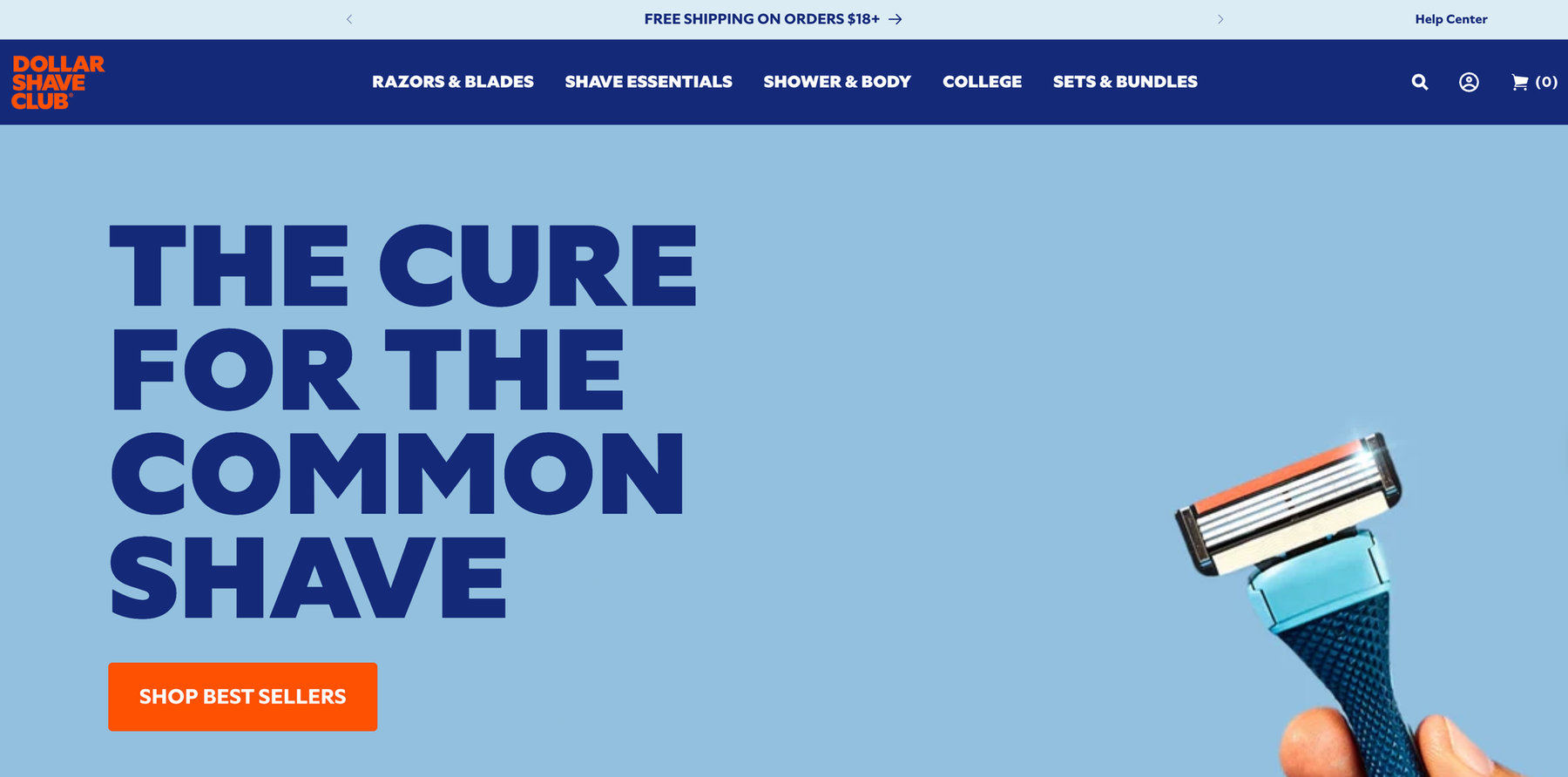
Dollar Shave Club's Valentine's campaign was pure brand personality—irreverent, funny, and decidedly unromantic. Their subject line, "Our Blades Are Sharper Than Cupid's Arrow," set the tone.
The email promoted their skincare line with the angle that looking good is the best Valentine's gift you can give yourself. They included an "Anti-Valentine's Sale" that ran counter to traditional romantic marketing.
What made it work:
- Stayed true to brand voice even during a sappy holiday
- Humor differentiated them from competitors
- The self-care angle included everyone
- The "anti-Valentine's" positioning attracted an underserved audience
Your brand personality matters more than seasonal conformity. If playing it straight isn't your style, don't.
What These Campaigns Share
Looking across all seven examples, patterns emerge:
Inclusivity wins: The best campaigns acknowledged that Valentine's means different things to different people. Singles, friend groups, and self-love advocates all got their moment.
Personalization matters: Whether through data (Spotify) or segmented messaging (Grubhub), treating customers as individuals always outperforms one-size-fits-all blasts.
Brand voice beats generic messaging: The campaigns that stayed truest to their established brand personality (Dollar Shave Club, Netflix) performed better than those trying to sound "Valentine's-y."
Value before selling: Notice how many led with content, experiences, or free features before asking for the sale. This builds goodwill that converts better than immediate promotional pushes.
Building Your Own Valentine's Campaign
You don't need Netflix's budget or Spotify's data infrastructure to create a Valentine's campaign that connects. Here's how to approach it:
- Start with your audience, not the holiday: What does Valentine's mean to them? How do they already use your product or service? Build from there rather than forcing romantic angles.
- Find your differentiation angle: What can you say about Valentine's that your competitors can't or won't? That's your campaign hook.
- Segment ruthlessly: Don't send the same email to everyone. At minimum, separate those who want Valentine's content from those who'd rather skip it.
- Test your subject lines: Valentine's inboxes are crowded. Your subject line needs to stand out. Test humor, irreverence, or unexpected angles against traditional romantic messaging.
- Measure beyond opens: Track clicks, conversions, and unsubscribes. A Valentine's campaign that alienates subscribers isn't worth the short-term sales bump.
The Technical Side: Delivering Your Valentine's Emails
Creative campaigns mean nothing if they land in spam folders. Valentine's Day email volume spikes dramatically, which means ISPs are watching for suspicious sending patterns.
Make sure you're working with an email infrastructure that can handle volume spikes without tanking your sender reputation. Authentication (SPF, DKIM, DMARC) becomes even more critical during high-volume sending periods.
If your current provider has deliverability issues or charges premium rates for seasonal volume increases, you're essentially paying more to reach fewer people. That's a problem worth solving before your next campaign.
Final Thoughts
Valentine's email marketing works best when you stop thinking about the holiday and start thinking about your customers. These seven brands succeeded because they understood their audiences well enough to know what would resonate—whether that was romance, humor, self-care, or something else entirely.
Your Valentine's campaign doesn't need to sell flowers to be successful. It just needs to sell something your customers actually want, in a voice they recognize, at a time when they're paying attention.
That's the real love story worth telling.