
7 Great Email Marketing Examples to Inspire You
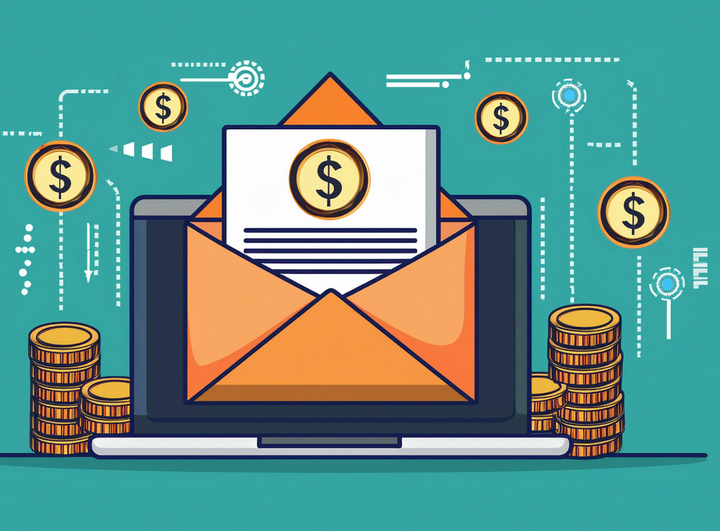
Email marketing is still one of the highest ROI channels in digital marketing, with an average ROI of $36 for every $1 spent.
Email marketing is still one of the highest ROI channels in digital marketing, with an average ROI of $36 for every $1 spent. But a lot of the time, the difference between an email that gets opened and an email that gets deleted comes down to execution.
Great email marketing isn’t just about sending a discount code. It’s about the storytelling, building a relationship and making the reader feel something.
Here are seven examples of great email marketing that do just that—and what you can learn from them:
1. Airbnb: The Personalized Journey Email
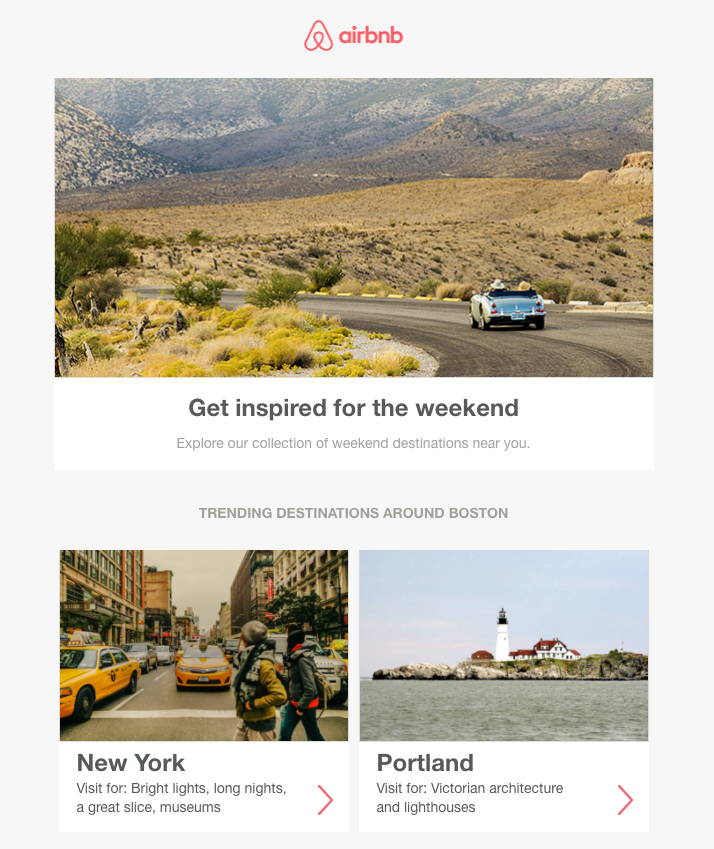
Why it works: Airbnb uses behavioural data to send hyper-personalised emails based on the user’s browsing history. If you’ve been looking at cabins in Vermont, you’ll get a curated selection of Vermont cabins — not generic travel inspiration.
The lesson: Personalisation is more than just using someone’s first name. When you integrate your email platform with your user data and personalise content based on actual browsing or purchase behaviour, your emails feel less like marketing and more like a concierge service. Airbnb’s emails convert because they show the reader exactly what they were already thinking about. If you’ve been seeking cabins in Vermont, you’re going to get a curated collection of Vermont cabins, not generic travel inspiration.
Key tactics:
- Dynamic content blocks based on user behavior
- Stunning destination photography that sells the dream
- A single, clear CTA ("Explore Vermont")
2. Spotify — The Year in Review (Wrapped)
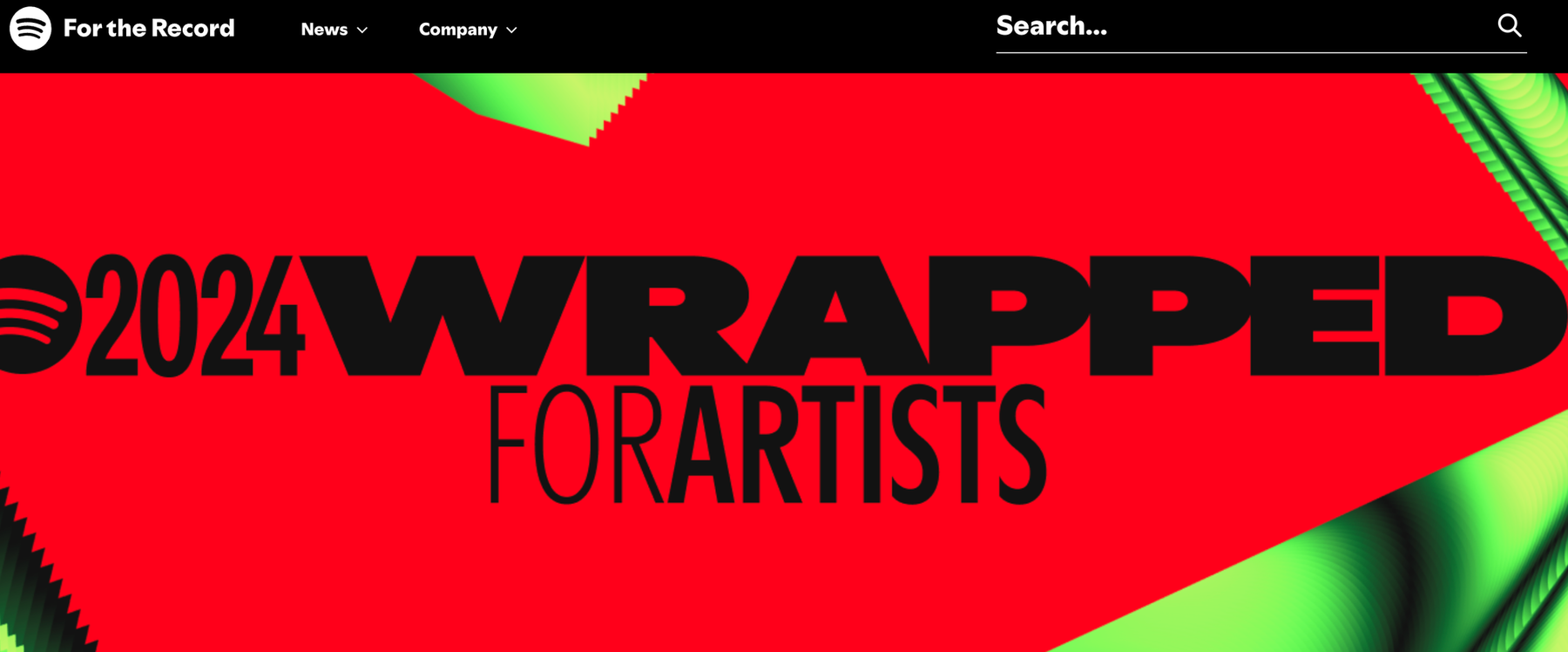
Why it works: Spotify Wrapped has become a cultural moment. The email that kicks it off — inviting users to see their personalised listening stats — is one of the most-opened emails in the world. It works because it's about the user, not the brand.
The lesson: Celebrate your customers. Give them something that reflects their relationship with your product back to them. Wrapped generates enormous organic reach because people share it on social media — but it all starts with one well-timed, well-designed email.
Key tactics:
- Data-driven personalization (your top artists, your listening minutes)
- Bold, playful visual design that stands out in the inbox
- Timed to a natural moment (end of year) when people are reflective
3. Grammarly — The Weekly Progress Report
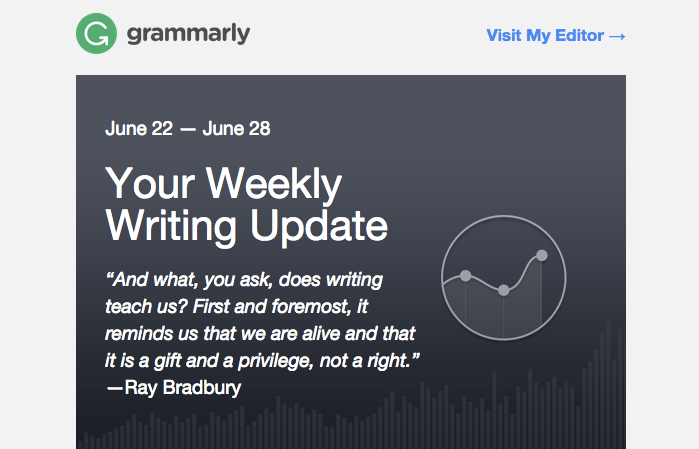
Why it works: Grammarly sends weekly writing stats to users, including how many words they checked, their accuracy percentage, and how they compare to other Grammarly users. These emails have open rates far above industry average because they add real value through personal insights.
The lesson: If your product generates that data, send it to users. Progress reports establish a habit loop: users open the email, feel good about their progress (or inspired to improve it), and come back to the product. It’s engagement, retention, and brand affinity rolled into one email. Progress reports form a habit loop — users read the email, feel good about their progress (or inspired to do better) and then return to the product. All-in-one send engagement, retention, and brand affinity.
Key tactics:
- Gamification elements (rankings, streaks, scores)
- Clean, skimmable layout with visual data displays
- Encourages the user to open the app for more detail
4. Dollar Shave Club — The Welcome Email
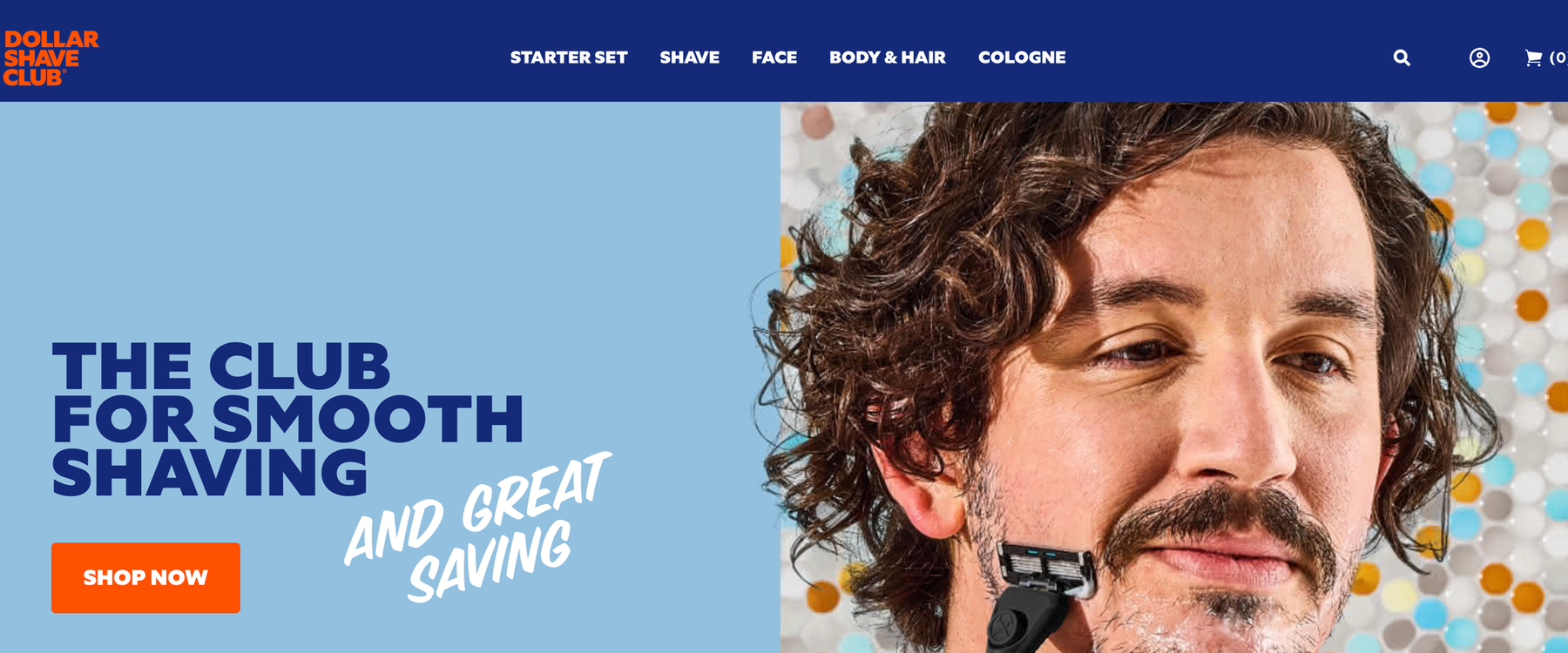
Why it works: Dollar Shave Club’s welcome email is the stuff of viral legends. The copy is funny, confident, and all on-brand, from subject line to sign-off. It doesn’t try to sound like every other subscription service. It sounds like a friend who just happens to sell really good razors.
The lesson: Your welcome email is the first impression. Most brands screw it up with a bland "Thank you for signing up!" Dollar Shave Club uses it to set the tone for the whole relationship, make the new customer feel like they made a great decision, and reinforce their brand personality from word one.
Key tactics:
- Distinctive, conversational brand voice throughout
- Social proof ("Join millions of members")
- A simple next step to get started with the product
5. Headspace — The Re-Engagement Email
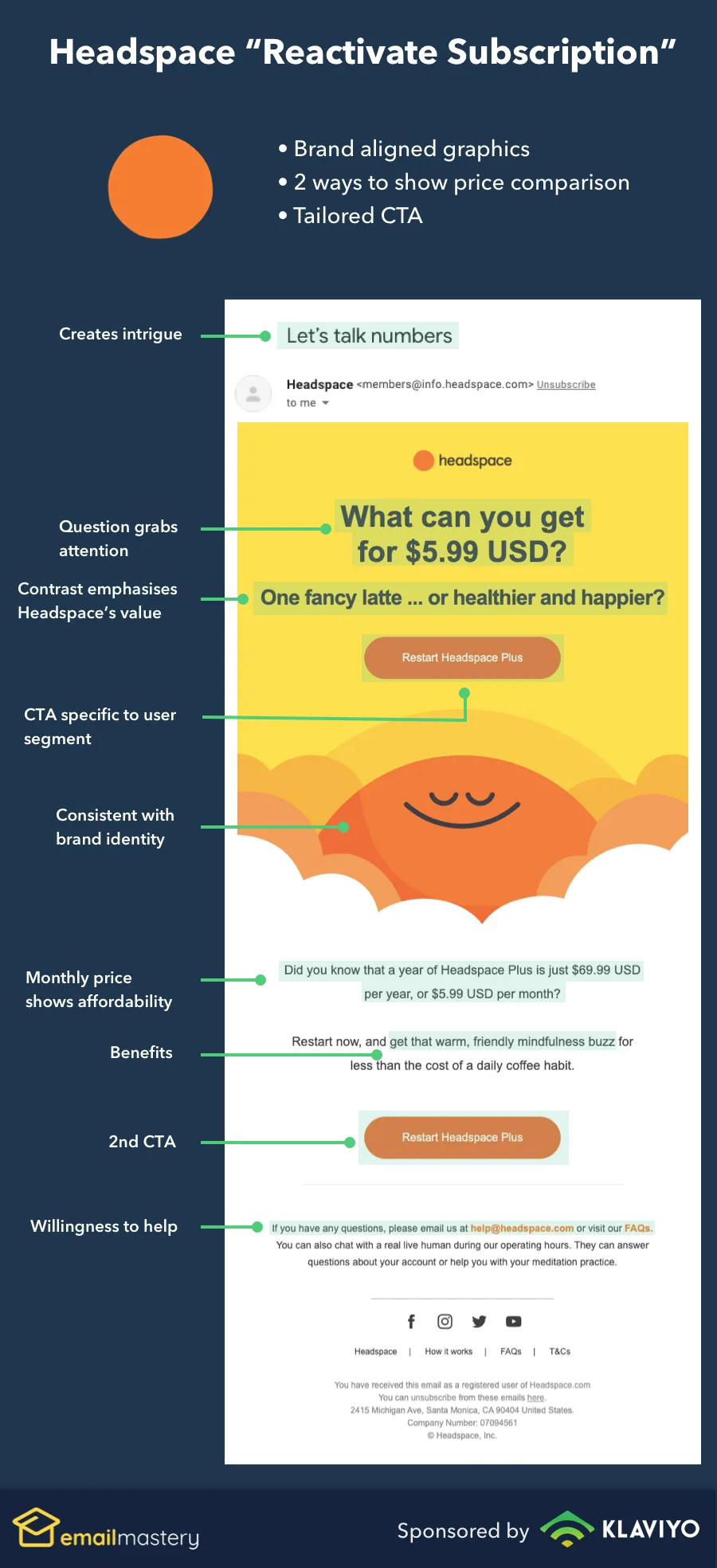
Why it works: When a user goes inactive, Headspace sends a warm, non-pushy re-engagement email. There's no guilt trip, no desperate discount. Just a gentle nudge: "Hey, it's been a while. Your mind could use a moment." The messaging aligns perfectly with the brand's core value – mindfulness.
The lesson: Re-engagement emails reveal a brand's true character. When users lapse, many brands panic and send aggressive win-back offers that feel transactional. Headspace stays calm, consistent, and emotionally intelligent — which is exactly the right approach for a meditation app, but the principle applies broadly. Stay true to your brand voice even when chasing a conversion.
Key tactics:
- Brand-aligned emotional messaging (calm, caring, not pushy)
- Low-friction CTA ("Take 10 minutes for yourself")
- Sent at a well-timed interval after inactivity
6. Casper — The Abandoned Cart Email
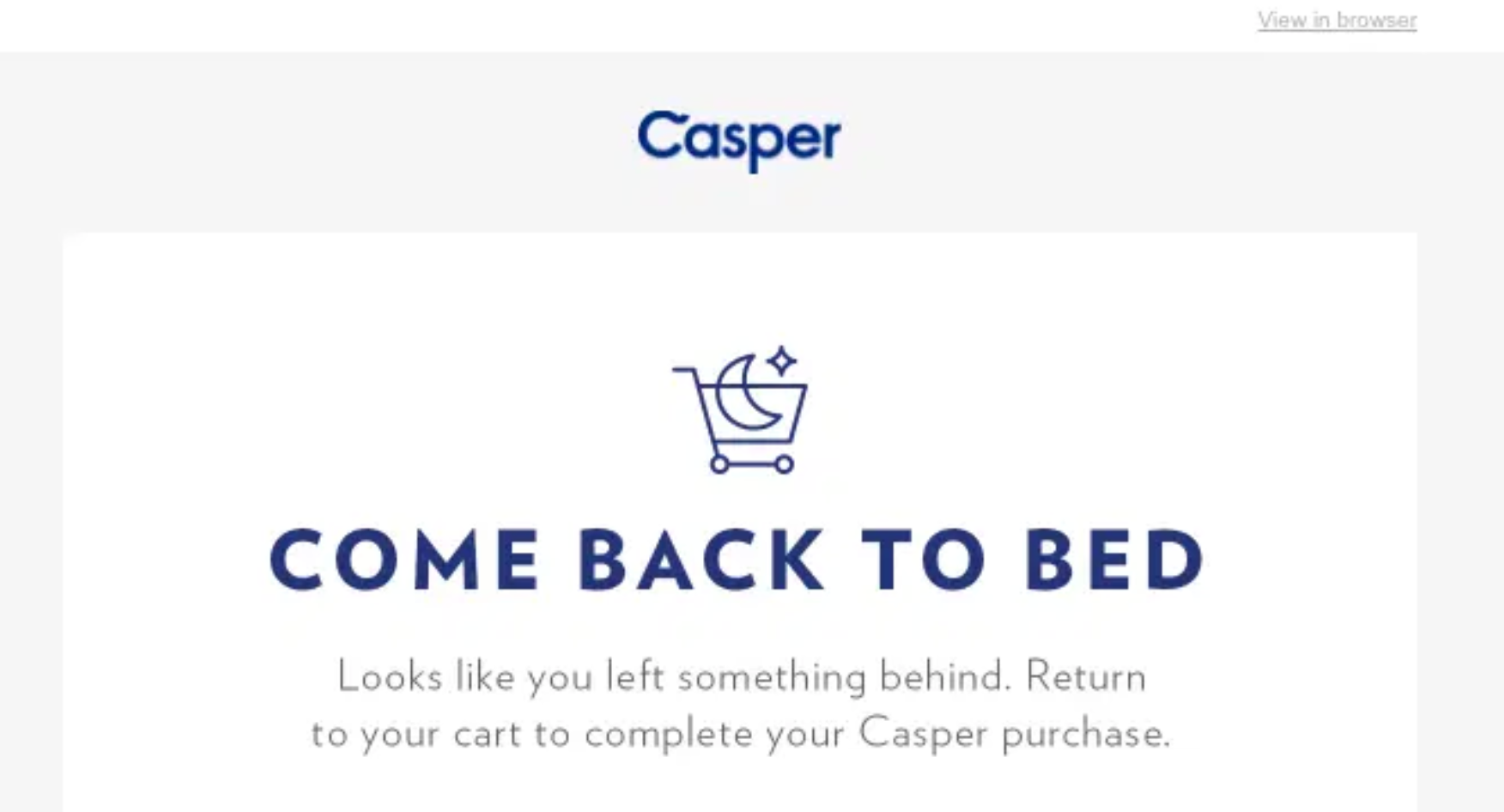
Why it works: Abandoned cart emails are table stakes for e-commerce, but Casper's version is a masterclass in doing it with personality. The subject line ("Did you forget something? Your mattress misses you.") is playful and human. The email body follows up with a touch of humor, a clear image of the abandoned product, and social proof in the form of customer reviews.
The lesson: Abandoned cart emails don't have to be robotic. Casper proves you can recover a sale while making the customer smile. Adding humour, warmth, or a surprising subject line dramatically improves open rates. And including reviews near the CTA addresses the hesitation that caused the abandonment in the first place.
Key tactics:
- Personality-driven subject line that stands out
- Product image as a visual reminder
- Reviews placed strategically near the "Buy Now" button
7. Patagonia — The Values-Driven Campaign Email
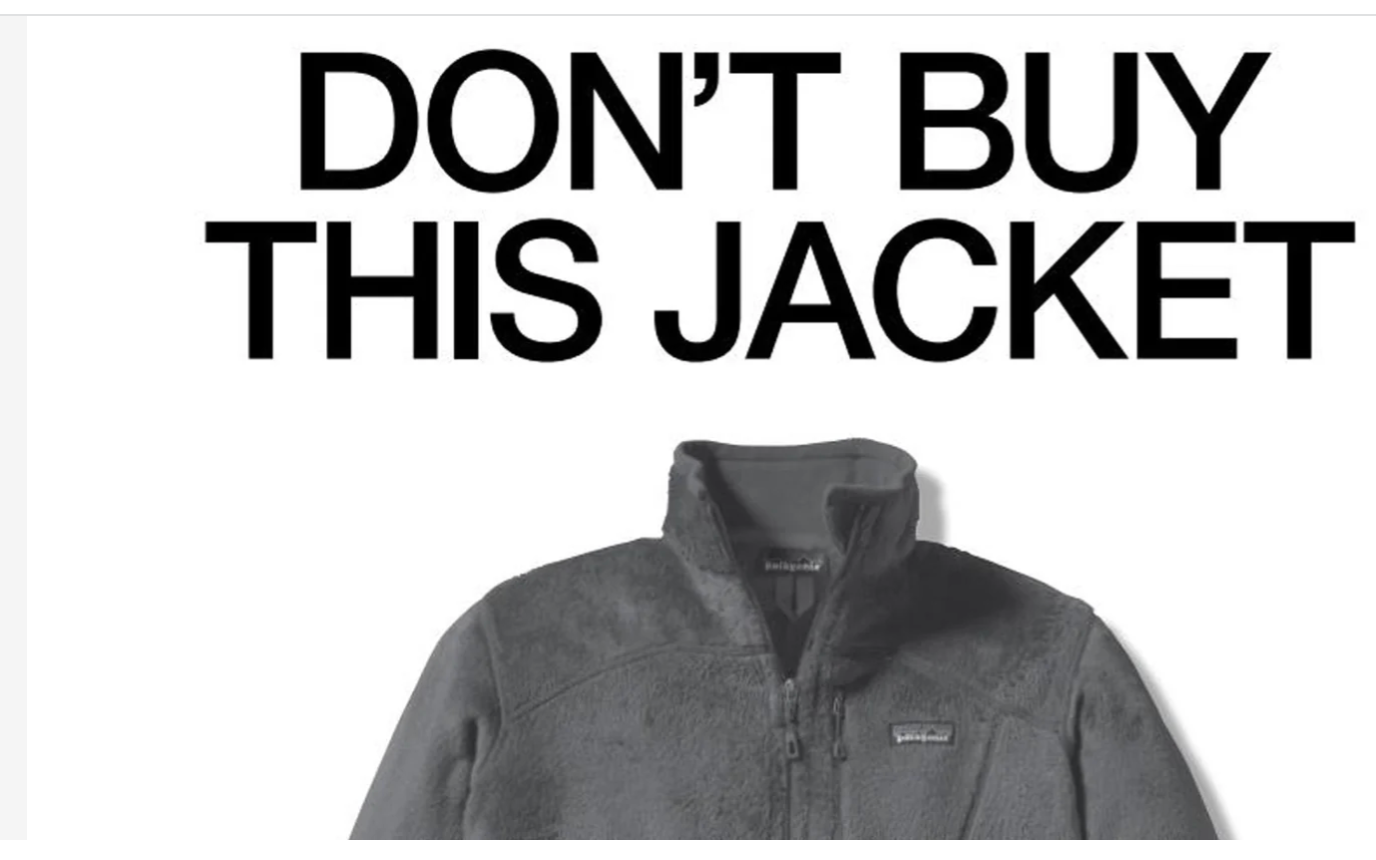
Why it works: Patagonia regularly sends emails that have nothing to do with selling a jacket and everything to do with their mission. Campaigns around environmental activism, calls to vote, or stories about land conservation drive tremendous engagement because their audience shares those values. Patagonia understands that their customers don't just buy their products; they buy into what the brand stands for.
The lesson: Email doesn't always have to sell something. For mission-driven brands, sharing your values openly builds long-term loyalty that no discount can buy. Patagonia's customers open these emails because they feel like dispatches from a cause they're part of, not marketing from a company.
Key tactics:
- Storytelling over product promotion
- Stunning environmental photography
- Clear action step (sign a petition, learn more, donate)
What These Examples Have in Common
Across all seven examples, a few principles shine through:
- They know their audience. Every email feels like it was made for that specific person — whether through behavioural data, brand voice, or shared values.
- They have one clear goal. Whether it's reopening an app, completing a purchase, or inspiring action, each email does one thing well. No clutter, no competing CTAs.
- They earn attention. None of these emails take the reader's attention for granted. They offer something — entertainment, insight, personalisation, a laugh — in exchange for a few seconds of focus.
- They're consistent with the brand. Headspace sounds like Headspace. Patagonia sounds like Patagonia. Dollar Shave Club sounds like no one else. Brand voice consistency builds trust over time.
The best email marketing doesn't feel like marketing at all. It feels like the right message, from someone you trust, arriving at exactly the right time. Use these examples as a benchmark and as proof that email, done well, is still one of the most powerful tools in your marketing toolkit.