
What Nobody Tells You About Writing Emails That Actually Convert
After years of watching email campaigns succeed and fail, the difference almost always comes down to the copy. Here are the lessons that take too long to learn on your own.
Most people learning email marketing focus on the wrong things. They obsess over send times, subject line formulas, and A/B testing button colours while the actual writing gets treated as an afterthought.
After years of watching email campaigns succeed and fail, the difference almost always comes down to the copy.
Not the design.
Not the automation sequence.
The words.
Here are the lessons that take too long to learn on your own.
1. Clarity beats cleverness every time

There's a temptation, especially early on, to make your emails sound interesting. Witty subject lines, playful metaphors, unexpected turns of phrase. And yes, sometimes that works — if you have a strong brand voice and an audience that's already bought in.
But most of the time? Simple and direct wins.
Your reader is distracted. They're scanning their inbox between meetings, half-watching something on TV, or catching up on messages from their phone. If they have to work to understand what you're saying, they're gone. They're not going to re-read your email to figure out the clever double meaning in your subject line.
The job of your email isn't to impress. It's to communicate one thing clearly enough that the reader takes action.
A useful gut-check: read your draft out loud. If it sounds like something you'd never actually say to a real person, rewrite it. Write like you're explaining something to a friend, not performing for an audience. Clear, conversational, and direct will outperform polished and vague almost every time.
2. You're solving a problem, not writing literature
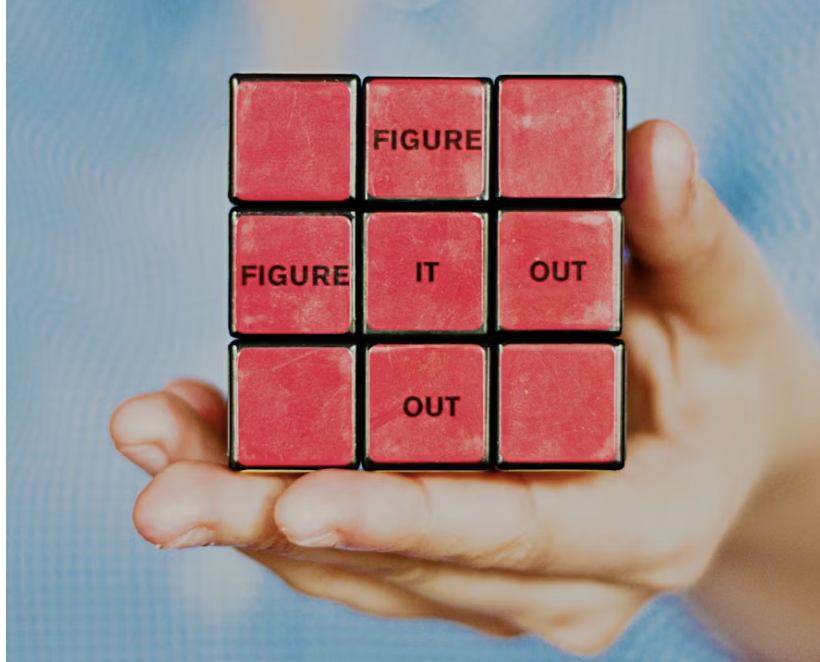
Before you write a single word of an email, ask yourself: what problem does this person have, and how does what I'm offering solve it?
That's it. That's the whole brief.
The best email copy doesn't come from clever writing; it comes from genuinely understanding your audience. What keeps them up at night? What are they trying to get done? What frustrates them about the way things currently work?
A lot of marketers skip this step because they assume they already know. But there's a difference between assuming you understand your audience's pain points and actually knowing them. Read the replies to previous campaigns. Pay attention to how customers describe their problems in their own words. Look at what your support team gets asked repeatedly.
That language is gold. Use it in your emails, and readers will feel like you're reading their minds.
When you start from the problem, the email almost writes itself. Everything else – the structure, the tone, the call to action which flows naturally once you're clear on what you're actually solving.
3. Features tell. Benefits sell.

This one sounds obvious, but it takes a surprisingly long time to actually internalise.
A feature is what your product does. A benefit is what your reader gets. They're not the same thing, and readers care about one of them.
Nobody buys a 1200-watt motor. They buy silky smoothies in 30 seconds. Nobody signs up for "advanced segmentation." They sign up because they want to stop sending the wrong email to the wrong person.
Go through your last few emails and count how many sentences are about features versus benefits. Most people are shocked by the ratio. Then rewrite every feature as the outcome it creates for the reader.
4. The headline does most of the heavy lifting
If your subject line doesn't earn the open, none of the rest matters.
This is uncomfortable, because it means the sentence you spend the least time on, usually written last, in about 10 seconds, is the one that determines whether anyone reads what you spent an hour writing.
The best email marketers treat subject lines like a separate discipline. They write ten versions before choosing one. They test. They study what actually works in their specific niche, not just generic advice about using numbers or questions.
A strong subject line is specific, honest about what's inside, and most importantly, about the reader, not about you. "5 things we're launching this quarter" is about you. "5 ways to cut your email bounce rate this week" is about them. The difference in open rates will reflect that.
5. Consistency matters more than perfection
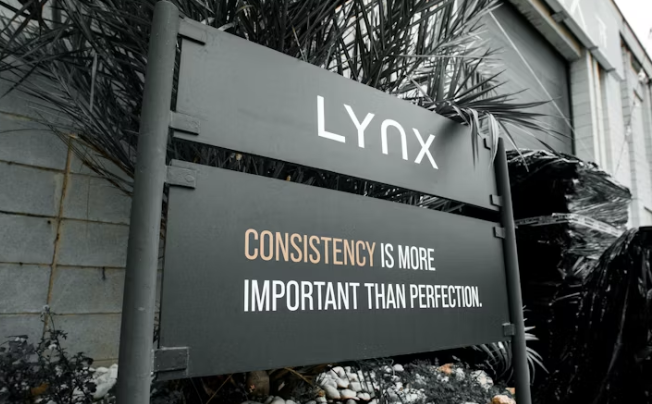
One great email campaign won't build an audience. Sending reliably over months and years will.
The marketers who get the best results from email aren't necessarily the most talented writers. They're the ones who show up consistently, pay attention to what resonates, and keep improving. Every send is data. Every reply is a signal. Over time, you build an intuition for your audience that no formula or template can replicate.
This also means resisting the urge to only send emails when you have something "big" to say. Your audience doesn't need a major announcement every time — they need to hear from you regularly enough that they recognise your name in their inbox and trust that what you send is worth reading.
If you're just getting started, don't wait until your copy is perfect. Send something decent, learn from how people respond, and send something better next time. The gap between your first email and your fiftieth will be enormous — but only if you actually send the first forty-nine.
6. The tool matters less than you think — until it does
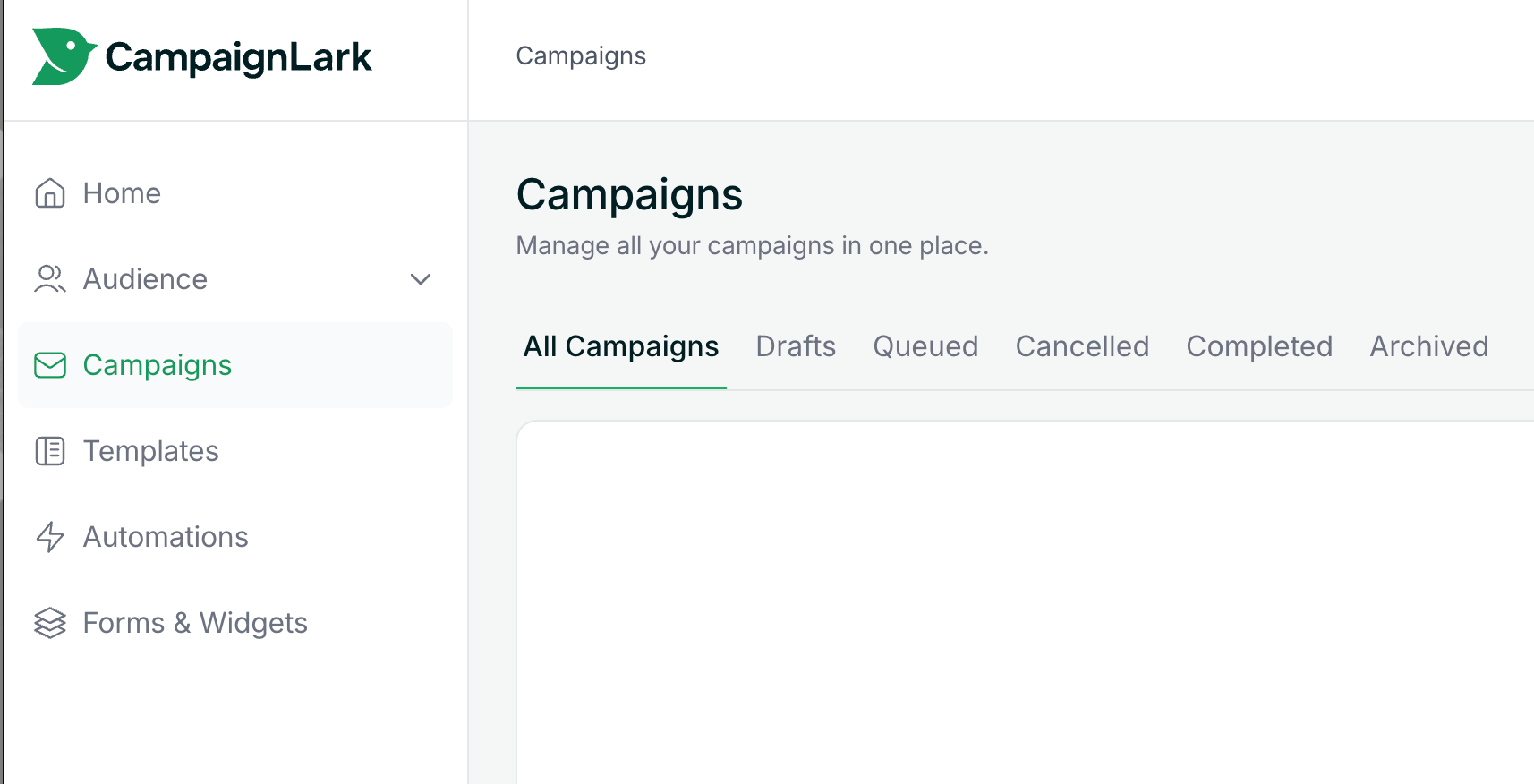
Most email platforms will handle the basics fine. But if you're serious about growing your list and running campaigns properly, the platform you use starts to matter more over time, especially around deliverability, automation flexibility, and how easy it is to actually segment your audience.
CampaignLark is worth a look if you're outgrowing a basic tool and want something built for marketers who care about the craft. Good copy deserves a platform that gets out of the way and lets it land.
The bottom line
Email marketing has a lot of moving parts, but almost everything comes back to the writing. Get the fundamentals right; be clear, start with the problem, lead with benefits, and treat your subject line like the most important sentence in the email, and you'll be ahead of most people sending campaigns today.
The rest is just practice.